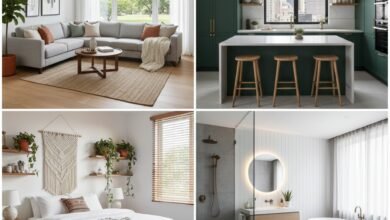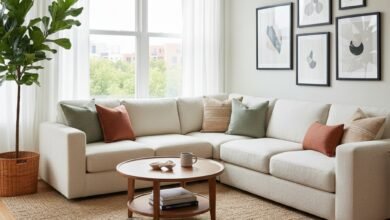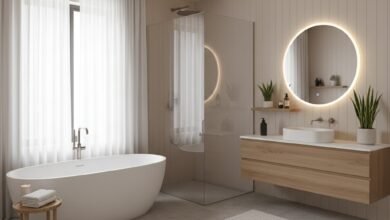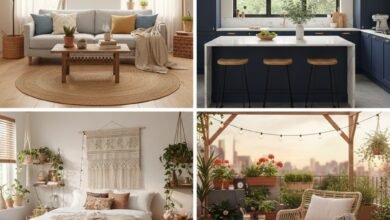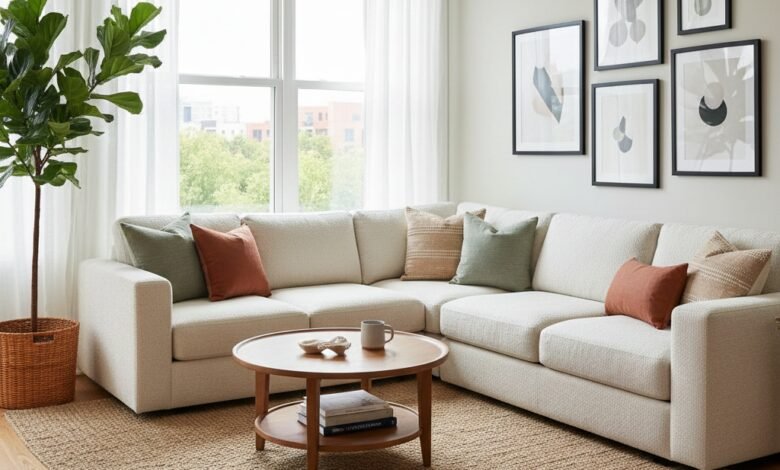
Contemporary interior design USA is not a static period piece but a living, breathing reflection of the American ethos in the 21st century. It is a design philosophy that captures the spirit of the now, characterized by clean lines, thoughtful minimalism, and a profound emphasis on space, light, and materiality. Unlike modern design, which is anchored in the early-to-mid-20th century, contemporary design is fluid, evolving with current trends, technologies, and cultural shifts. It is a style that prioritizes comfort and functionality without sacrificing sophistication, creating serene, uncluttered sanctuaries that respond to the complexities of modern American life. At its core, contemporary interior design USA is about curated simplicity, where every element is intentional, and the architecture of the space itself becomes a key player in the overall aesthetic.
The Foundational Pillars of American Contemporary Design
The aesthetic of contemporary American interiors is built upon several non-negotiable principles. First and foremost is the celebration of clean, architectural lines. Furniture, cabinetry, and architectural details favor strong horizontal and vertical lines, creating a sense of order and calm. This is complemented by a neutral color palette that serves as a tranquil backdrop. Shades of white, beige, gray, and black dominate, allowing for texture and form to take center stage. These neutrals are not cold; they are warm and inviting, often layered with natural materials like wood, stone, and linen to add depth and tactile interest.
Space and light are treated as essential materials. Open floor plans remain a hallmark, promoting fluid movement and social interaction. Large, unobstructed windows are not just architectural features but conduits for natural light, which is considered the best illuminator of a well-designed space. Artificial lighting is strategic and layered, with recessed lighting, sculptural floor lamps, and discreet LED strips working in concert to create ambiance. Finally, there is a distinct lack of clutter. Contemporary interior design USA embraces minimalism, but not sterility. It is about mindful curation—owning fewer, but better, pieces that are both beautiful and functional.
Materiality and Texture: The Sensory Experience
In the absence of ornate decoration, the intrinsic beauty of materials becomes paramount. The contemporary American home is a tactile experience. Smooth, polished concrete floors might be warmed by a thick, nubby wool area rug. A sleek, lacquered dining table is juxtaposed with chairs upholstered in raw, natural linen. This interplay of textures—glossy vs. matte, rough vs. smooth, hard vs. soft—is what gives these spaces their soul and prevents them from feeling cold.
Sustainability is no longer a niche concern but a central tenet of contemporary interior design USA. There is a growing preference for locally sourced, reclaimed, and rapidly renewable materials. Barn wood, recycled glass countertops, bamboo flooring, and low-VOC paints are common choices. This reflects a broader American cultural shift towards environmental consciousness and a desire for authenticity and story in the objects that fill our homes.
| Material Category | Common Examples in Contemporary USA Design | Design Impact |
|---|---|---|
| Natural Elements | Reclaimed wood, natural stone (slate, marble), raw concrete, bamboo, cork | Adds warmth, texture, and a connection to nature; emphasizes sustainability. |
| Metals | Brushed nickel, matte black, aged brass, wrought iron | Provides sleek accents, defines lines, and adds an industrial or refined touch. |
| Textiles | Organic cotton, linen, wool, leather, faux fur throws | Introduces softness, color, pattern, and layers of comfort. |
| Glass & Acrylic | Floating glass shelves, transparent acrylic chairs, large window walls | Enhances light transmission, creates a sense of visual lightness and openness. |
Regional Interpretations Across the USA
While unified by core principles, contemporary interior design USA beautifully adapts to its environment, giving rise to distinct regional dialects.
West Coast Contemporary
Epitomized by the California cool aesthetic, this style is deeply influenced by indoor-outdoor living. Spaces feature expansive glass walls that blur the boundary between inside and out, materials like redwood and teak, and a color palette drawn from the coastal landscape—sandy neutrals, ocean blues, and sage greens. The vibe is relaxed, organic, and sun-drenched.
Urban Loft Contemporary
Found in cities like New York and Chicago, this style often repurposes industrial buildings. It embraces raw architectural elements like exposed brick, ductwork, and concrete columns. Furniture is sleek and often modular to fit flexible living spaces. The palette is typically more monochromatic, with bold art or a single vibrant piece of furniture serving as a focal point against the industrial backdrop.
Rustic Contemporary
Popular in mountain and rural areas from Colorado to Vermont, this style merges clean contemporary lines with rustic charm. Think a dramatic, linear stone fireplace, exposed wooden beams in a geometric ceiling, and modern furniture adorned with sheepskin or chunky knit blankets. It’s a sophisticated take on the cabin aesthetic.
The Role of Art, Technology, and the “Statement Piece”
Art is the heartbeat of a contemporary interior. In a space defined by neutrality and simplicity, art provides personality, color, and a point of intellectual and visual engagement. Large-scale abstract paintings, photography, or sculptural installations are favored. Technology, meanwhile, is seamlessly integrated—almost invisible. Speakers are in-wall, televisions are disguised as art when not in use, and smart home systems control climate, lighting, and security with minimal visual intrusion.
Despite the minimalist leanings, the concept of the “statement piece” is alive and well in contemporary interior design USA. This could be a single, breathtaking item—an architecturally significant chair, an oversized, organic-form ceramic vase, or a dramatic, sculptural light fixture—that commands attention and becomes a conversation starter, proving that minimalism need not be devoid of drama.
The Future Trajectory of Contemporary Interior Design USA
The evolution of this style points towards several key trends. Biophilic design, which seeks to strengthen the human connection to nature, is moving from trend to standard practice. This means not just plants, but also water features, natural light optimization, and materials and forms that mimic nature. Multifunctional spaces have become essential, with rooms designed to effortlessly transition from home office to gym to entertainment zone. There is also a growing emphasis on customization and personalization, supported by technology like 3D printing and on-demand manufacturing, allowing homeowners to have a direct hand in creating unique, bespoke elements for their space.
Ultimately, contemporary interior design USA is a mirror held up to American society. It reflects our desire for simplicity in a complex world, our commitment to sustainability, our embrace of technology, and our enduring need for homes that are not just shelters, but sanctuaries of comfort, beauty, and personal expression. It is a style less about following rigid rules and more about creating a harmonious, intentional environment that supports and enhances the way we live today.
Frequently Asked Questions
- What is the main difference between modern and contemporary interior design?
Modern design refers specifically to the style of the early-to-mid-20th century (e.g., Mid-Century Modern), with defined characteristics. Contemporary design is of the current moment and is constantly evolving, borrowing from modernism but incorporating today’s trends, technologies, and materials. - Can contemporary design feel cozy, or is it always cold and minimalist?
Absolutely, it can be cozy. The key is in the layering of textures (rugs, throws, pillows), the use of warm wood tones, strategic lighting, and incorporating organic, soft shapes. Contemporary minimalism is about curated warmth, not sterile emptiness. - What is a good color palette to start with for a contemporary living room?
Begin with a neutral base of whites, grays, or beiges for walls and large furniture. Then, add depth with two or three accent materials—like a walnut media console, a black metal floor lamp, and a textured cream-colored rug. A single pop of color can come from art or a single cushion. - How important is lighting in contemporary design?
Critically important. Lighting is treated as architecture. A combination of ambient (overall light), task (for specific activities), and accent (to highlight features) lighting is used. Think recessed cans, adjustable track lights, and statement-making decorative lamps. - Is contemporary design expensive to achieve?
It can be, due to its emphasis on quality materials, craftsmanship, and iconic designer pieces. However, the philosophy can be adapted at various budgets by focusing on clean lines, decluttering, investing in one or two well-made key items, and using paint and DIY projects to achieve a streamlined look.