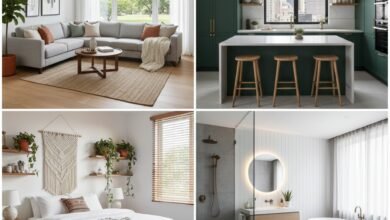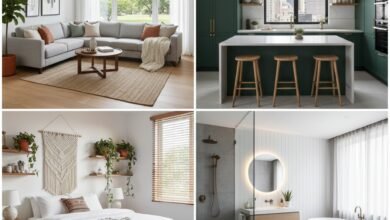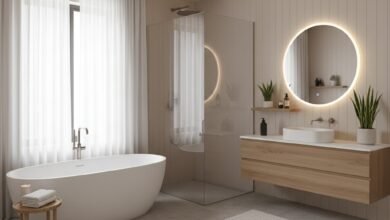
Boho interior design usa is more than a passing trend; it is a philosophy of living, a visual symphony of freedom, history, and personal narrative. Rooted in the countercultural movements of the 1960s and 70s, yet drawing inspiration from nomadic cultures across the globe, the American interpretation of boho—or bohemian—style has evolved into a uniquely eclectic and deeply personal approach to decorating. It rejects rigid rules and minimalist austerity, embracing instead a “more is more” ethos where layers of texture, pattern, and collected treasures tell the story of the inhabitant. This style champions sustainability through vintage and repurposed items, celebrates global artistry, and above all, prioritizes comfort and soul over perfection. In the vast and varied landscape of American homes, from sun-drenched California bungalows to Brooklyn lofts, boho interior design usa offers a liberating framework for creating spaces that feel authentically lived-in and joyfully expressive.
The Philosophical Heart of American Boho
The American boho aesthetic is built upon a few core principles that distinguish it from other eclectic styles. First and foremost is the idea of personal expression. A boho space is a direct reflection of the individual’s journeys, interests, and passions. A wall might display a mix of Peruvian textiles, thrift-store oil paintings, and macramé plant hangers, each piece holding a memory or meaning. This leads to the second principle: a celebration of the global and the artisanal. Boho interior design usa often incorporates elements from Moroccan, Indian, Native American, and African traditions, showing reverence for handmade crafts and cultural heritage. Finally, there is an inherent commitment to comfort and functionality. Furniture is meant to be lounged on, floors are often layered with rugs for barefoot wandering, and every corner invites relaxation and conversation. It’s a style that says, “come in, kick off your shoes, and stay awhile.”
Key Elements of Boho Interior Design USA
Creating a boho-inspired space is about curating a collection of elements that work in harmonious disarray. The following table breaks down the fundamental components that define this style in the American context.
| Element | Description | Common Examples in USA |
|---|---|---|
| Texture & Layering | The cornerstone of boho design. Multiple textures create depth, warmth, and visual interest. | Chunky knit throws, smooth leather poufs, nubby jute rugs, silky velvet cushions, rattan furniture, raw wood, and hammered metals. |
| Global Patterns & Textiles | A mix of patterns from around the world, layered without fear. The key is a cohesive color palette. | Ikat, suzani, kilim, tribal prints, paisley, batik, and embroidered fabrics used on pillows, throws, wall hangings, and upholstery. |
| Vintage & Repurposed Finds | Sustainability and history are key. One-of-a-kind pieces add character and tell a story. | Mid-century modern chairs, antique Persian rugs, distressed wooden chests, vintage botanical prints, and converted industrial lighting. |
| Botanical Life | An abundance of plants brings life, color, and a connection to nature indoors. | Pothos, monstera, fiddle leaf figs, snake plants, and hanging ferns in woven baskets, macramé hangers, and eclectic pots. |
| Natural Materials & Elements | A focus on organic, raw, and earthy materials that ground the space. | Wood (especially teak, rattan, bamboo), seagrass, clay, terracotta, stone, and wicker. |
| Artisanal & Handmade Decor | Celebrates the beauty of imperfection and human craftsmanship. | Macramé wall hangings, hand-thrown pottery, beaded curtains, woven tapestries, and handmade ceramic vases. |
| Low-Level & Floor Seating | Encourages a relaxed, informal atmosphere and connection to the earth. | Floor pillows, Moroccan poufs, low-slung sofas, daybeds, and layered rugs that define seating areas. |
Color Palettes: From Earthy Tones to Jewel Box Hues
While there is no single boho color scheme, American boho spaces typically orbit around two main poles. The first is an earthy, neutral foundation. Think warm whites, beiges, taupes, browns, and sage greens. This palette acts as a calming canvas, allowing textures and objects to shine. The second is a vibrant, jewel-toned spectrum. Deep terracotta, emerald green, sapphire blue, mustard yellow, and rich burgundy are often used as accents in textiles, artwork, or painted furniture. The magic happens in the balance—a neutral room energized by pops of color, or a richly colored room grounded by natural materials.
Room-by-Room Guide to Boho Interior Design USA
Implementing the boho ethos varies from room to room, but the core principles remain.
The Boho Living Room
This is the heart of the boho home. Start with a comfortable, often slipcovered sofa. Layer multiple rugs—perhaps a large jute or sisal base with a vintage kilim or Persian rug on top. Add a low wooden coffee table stacked with books and curios. Incorporate floor seating with oversized pillows and poufs. Drape throws over every seating surface, hang a large macramé or tapestry on the main wall, and let plants cascade from shelves and corners. Lighting should be soft and ambient: think beaded chandeliers, Moroccan lanterns, or a cluster of pendant lights.
The Boho Bedroom
The goal is a cozy, sanctuary-like retreat. A low platform bed or an ornate wrought-iron frame sets the tone. Layer the bed with a mix of patterned quilts, knitted blankets, and an abundance of pillows in various sizes and textures. A vintage rug beside the bed is essential for warm morning feet. Incorporate a cozy reading nook with a vintage chair and floor lamp. Canopies or draped fabrics above the bed add a dreamy, romantic feel. Keep lighting soft with fairy lights, salt lamps, or fabric-shaded sconces.
The Boho Workspace or Reading Nook
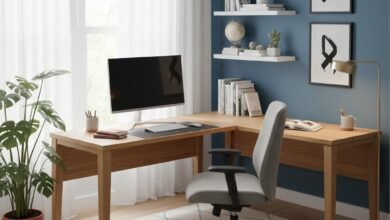
Even a small corner can embody boho spirit. Use a vintage desk or a simple wooden table. Add a visually interesting chair—perhaps a cane-backed or embroidered seat. Organize with woven baskets, handmade pottery mugs for pens, and a small, vibrant rug to define the space. Inspire creativity with a gallery wall of postcards, sketches, and small weavings. A single, striking pothos plant on the desk completes the look.
Regional Flavors of Boho in the USA
The vastness of the United States adds regional twists to the boho interior design usa aesthetic. In Southern California, boho takes on a breezy, coastal feel—”boho-chic”—with lighter colors, airy linens, and plenty of succulents and driftwood. In the Southwest, it blends seamlessly with Native American and Mexican influences, featuring terracotta, turquoise, tribal patterns, and rustic leather. In the Pacific Northwest, it leans into a darker, more organic palette with forest greens, deep blues, and references to Scandinavian hygge for coziness during long winters. In urban centers like New York or Chicago, boho often manifests in loft spaces, mixing industrial elements (exposed brick, pipes) with the softness of global textiles and lush greenery.
Avoiding Common Pitfalls: Curated, Not Cluttered
The line between artfully layered and simply messy is a fine one. The key to successful boho interior design usa is curation. Each item should feel intentional. To avoid clutter, establish a loose color scheme to create cohesion amidst the eclecticism. Vary scales—pair a large plant with a small, intricate vase. Ensure there are moments of visual rest, like a blank wall or a simple, monochromatic corner. Remember, boho is about comfort and personal expression, not about filling every single inch of space. It’s a collected look that evolves over time, not a style achieved in a single shopping trip.
Frequently Asked Questions
- Is boho interior design expensive to achieve?
Not necessarily. While high-end artisan pieces can be investments, the soul of boho is in thrifting, repurposing, DIY projects, and slow collecting. The most authentic boho spaces are built over time, not bought in a day. - Can boho work in a small apartment?
Absolutely. The key is vertical layering (wall hangings, shelves, hanging plants) and choosing multi-functional, low-profile furniture. A cohesive color palette will keep a small space feeling unified and intentional, not chaotic. - How do I mix patterns without it looking chaotic?
Stick to a defined color story (e.g., navy, cream, and terracotta). Mix different types of patterns (a geometric kilim with a floral pillow) rather than similar ones. Use solid-colored textiles as buffers between bold patterns. - What’s the difference between boho, hippie, and maximalist style?
While related, boho is more curated and globally-inspired than the 60s-centric “hippie” look. Maximalism is broader, embracing any dense collection (like books or color), whereas boho specifically emphasizes natural materials, global textiles, and a relaxed, artisanal vibe. - How can I add a modern touch to boho design (“modern boho”)?
Modern boho blends the free-spirited elements of boho with clean lines and a more edited approach. Use a neutral base (white walls, sleek sofa), incorporate a few statement boho pieces (a large macramé wall hanging, a vintage rug), and keep decor minimal but textured.
In conclusion, boho interior design usa represents a heartfelt rebellion against sterile, impersonal interiors. It is an invitation to surround oneself with objects that spark joy, textures that invite touch, and colors that stir the soul. It is a style that honors the past through vintage finds, celebrates global cultures through artisan crafts, and looks toward a sustainable future through repurposing and conscious consumption. Ultimately, to embrace boho in the American home is to create a sanctuary that is not just seen, but deeply felt—a true reflection of a life richly lived.