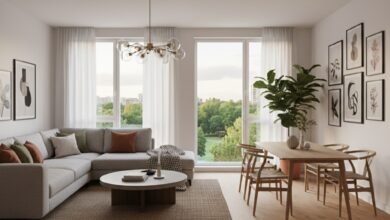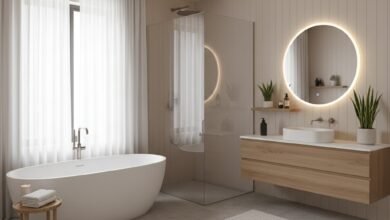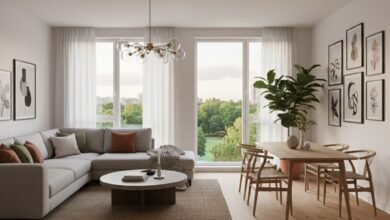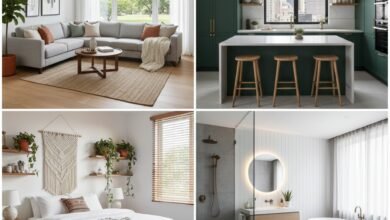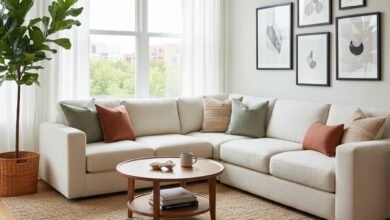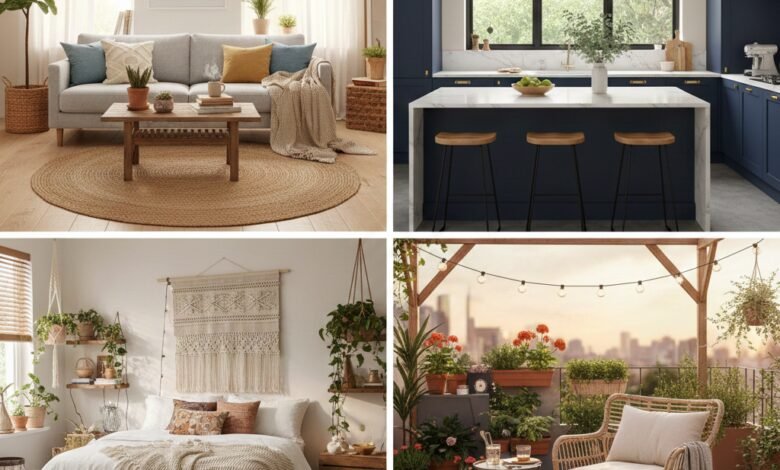
Rustic home design USA is more than a fleeting trend; it is a profound architectural and interior design philosophy rooted in authenticity, natural beauty, and a deep connection to the American landscape. This style, which celebrates raw textures, organic materials, and a sense of rugged history, offers a warm, inviting counterpoint to the sleek, often impersonal nature of modern minimalism. From the log cabins of the Adirondacks to the sprawling ranch houses of the West, rustic design in the United States tells a story of heritage, craftsmanship, and a desire to bring the outdoors in. This enduring aesthetic provides a sanctuary, a place of comfort that feels both timeless and deeply personal.
The Philosophical Heart of American Rustic Style
At its core, rustic home design USA is an homage to the past and a celebration of the natural world. It draws inspiration from the early settlers, ranchers, and craftsmen who built their homes from the materials readily available in their surroundings. The philosophy rejects perfection in favor of character, finding beauty in the irregularities of hand-hewn wood, the patina of aged metal, and the unique imperfections of stone. It’s a style that prioritizes comfort and livability over formality, creating spaces that feel broken-in and welcoming from the moment you enter. In a fast-paced, digital age, the rustic home becomes a tactile retreat, engaging all the senses with its rich textures and earthy palette.
Defining Elements of Rustic Home Design
The magic of rustic home design USA lies in its specific, cohesive set of elements. When combined, they create an environment that is both rugged and refined.
1. Material Palette: The Foundation of Authenticity
The materials are the undisputed stars of the rustic show. Wood is paramount, preferably in its most natural state. Think wide-plank hardwood floors with visible knots and grain, exposed ceiling beams (often reclaimed), and walls clad in shiplap, board-and-batten, or even whole logs. Stone is another cornerstone, used for majestic fireplaces, accent walls, or foundation elements. Wrought iron, hammered copper, and unlacquered brass provide metallic accents that show their age gracefully. Fabrics are heavy, textured, and natural: think wool throws, linen curtains, cowhide rugs, and leather upholstery that softens and scars with time.
2. Color and Texture: An Earthy Symphony
The color palette is directly inspired by the landscape. Earth tones dominate—creamy whites, warm taupes, various browns from tan to chocolate, slate grays, and muted greens. Pops of color might come from a vintage Navajo rug or the deep hue of a leather chair. Texture is where the style truly comes alive. The goal is a layered, tactile experience: the roughness of stone against the smoothness of polished wood, the nubby weave of a basket against the soft pile of a wool rug, the cool touch of metal beside the warmth of a fur throw.
3. Architectural Features: Structural Character
Architecturally, rustic home design USA often features grand, inviting elements. Vaulted ceilings with exposed beams are a hallmark, making spaces feel expansive yet grounded. Large, often floor-to-ceiling windows are essential, not only for breathtaking views but to flood the interior with natural light and blur the line between inside and outside. Substantial stone or wood-burning fireplaces serve as the literal and figurative hearth of the home. Doors are frequently heavy and made of wood, sometimes with iron detailing.
4. Furnishings and Decor: Curated Comfort
Furniture leans towards substantial, solid-wood pieces that feel handmade. Tables with chunky bases, beds with log frames, and oversized armchairs are common. Upholstery is in neutral, durable fabrics like canvas, linen, or leather. Decor is a mix of functional items and collected pieces that tell a story: antique fishing rods, vintage skis, woven baskets, iron lanterns, and pottery. Artwork often reflects nature—wildlife paintings, landscape photography, or pressed botanical specimens. The overall effect is one of curated comfort, not staged perfection.
Regional Interpretations Across the USA
While unified by core principles, rustic home design USA beautifully adapts to its regional context, drawing on local history, climate, and materials.
| Region | Style Name | Key Characteristics | Primary Materials |
|---|---|---|---|
| Mountain West (Rockies, Sierras) | Mountain Rustic / Lodge Style | Grand scale, massive stone fireplaces, trophy animal mounts (often vintage or faux), heavy timber construction, focus on ski or alpine themes. | Local stone (granite, slate), pine and cedar logs, wrought iron. |
| Southwest (Arizona, New Mexico, Texas) | Southwestern Rustic | Influenced by Spanish Colonial and Native American design. Territorial details, vibrant color accents (turquoise, terracotta), talavera tile, and flat roofs. | Adobe, stucco, cantera stone, ponderosa pine, distressed leather. |
| Pacific Northwest | Northwest Rustic / Modern Rustic | Strong emphasis on blending with the forest environment. Cleaner lines, more glass, a darker, moodier color palette with greens and grays. Often incorporates modern elements. | Cedar shingles, Douglas fir, river rock, large glass panels. |
| Northeast & Great Lakes | Adirondack / Camp Style | Cozy, camp-like feel. Use of twig and branch furniture, birch bark details, plaid patterns, and a mix of rustic and vintage cottage elements. | White pine, birch, local fieldstone, canvas. |
| South & Appalachia | Farmhouse Rustic | Focus on practicality and agrarian simplicity. Apron-front sinks, open shelving, shaker-style cabinets, and a lighter, airier feel than other rustic styles. | Reclaimed barn wood, pine, corrugated metal, soapstone. |
Modern Rustic: A Contemporary Evolution
A significant and popular evolution is the “Modern Rustic” or “Rustic Contemporary” style. This approach seamlessly merges the warmth and texture of rustic home design USA with the clean lines, open layouts, and minimalist sensibility of modern design. The result is a space that feels both inviting and sophisticated. Key features include:
- Contrast: A sleek, concrete floor against a rugged stone wall.
- Simplified Palette: A more monochromatic base (white walls, gray tones) with rustic textures providing the visual interest.
- Streamlined Furnishings: A modern sectional sofa paired with a live-edge wood coffee table.
- Strategic Use of Materials: Exposed beams and stone remain, but are balanced with large expanses of drywall and metal finishes like matte black or brushed nickel.
This hybrid style proves that rustic home design USA is incredibly adaptable, capable of meeting the desires of 21st-century living while retaining its soulful essence.
Practical Tips for Achieving Rustic Home Design
Incorporating rustic charm doesn’t require living in a remote log cabin. Here are practical ways to bring this style into any American home:
- Start with a Focal Point: Introduce one or two major rustic elements, such as a stone fireplace surround, a reclaimed wood accent wall, or exposed ceiling beams.
- Embrace Reclaimed and Salvaged Materials: Source wood from old barns, factories, or fences. Each piece carries a history that adds instant character.
- Layer Textures Relentlessly: Add woven jute rugs, knitted throws, ceramic vases, iron light fixtures, and linen textiles to create depth and warmth.
- Choose Furniture with Substance: Opt for solid wood tables, chairs with visible joinery, and comfortable, oversized upholstered pieces in neutral fabrics.
- Incorporate Natural Elements: Use live plants, bowls of pinecones or river stones, and displays of dried botanicals to maintain a direct link to nature.
- Opt for Warm, Ambient Lighting: Avoid cold, overhead lights. Use table lamps with burlap or parchment shades, wall sconces with iron cages, and plenty of candles.
- Edit Thoughtfully: Rustic can tip into “cluttered” if not careful. Curate your collections and ensure each piece has meaning or beauty.
Frequently Asked Questions
- Is rustic home design expensive to achieve?
It can be, especially if using high-end reclaimed materials or custom timber work. However, the style is also DIY-friendly. Many homeowners source and refinish their own barn wood, hunt for vintage pieces at flea markets, and incorporate affordable natural elements. The focus on imperfection means mistakes can often add to the charm. - Can I mix rustic design with other styles?
Absolutely. As seen in Modern Rustic, blending styles is very effective. Rustic pairs beautifully with industrial elements (exposed brick, metal), farmhouse touches (apron sinks, shaker cabinets), and even some Scandinavian minimalist pieces for a lighter, airier feel. - Is rustic design suitable for a small home or apartment?
Yes, but scale is key. Instead of massive log furniture, choose smaller-scale rustic pieces. A single accent wall of reclaimed wood, a rustic live-edge shelf, or textured textiles can impart the feeling without overwhelming a small space. Focus on the texture and material palette rather than grand architectural features. - How do I keep a rustic home from feeling dark or heavy?
Balance is essential. Use a light-colored paint on walls not covered in wood or stone. Incorporate large mirrors to reflect light. Choose lighter-colored area rugs and upholstery fabrics. Ensure you have ample, layered lighting sources. The goal is “warm and cozy,” not “dark and cavernous.” - What’s the difference between rustic and farmhouse style?
While they overlap significantly, farmhouse style (especially Modern Farmhouse) tends to be cleaner, brighter, and more polished. It often features more white paint, simpler lines, and less overtly rugged materials. Rustic design embraces the raw, unrefined, and weathered more wholeheartedly. Think of farmhouse as rustic’s more suburban cousin.
In conclusion, rustic home design USA represents a powerful and enduring design narrative. It is a style that speaks to a collective yearning for authenticity, resilience, and a simpler, more grounded way of life. By honoring natural materials, skilled craftsmanship, and the unique beauty of the American terrain, it creates homes that are not just shelters, but sanctuaries. Whether expressed in a pure, traditional form or through a contemporary lens, the rustic aesthetic continues to offer a timeless, comforting, and profoundly beautiful vision for American living.