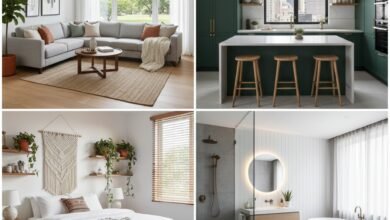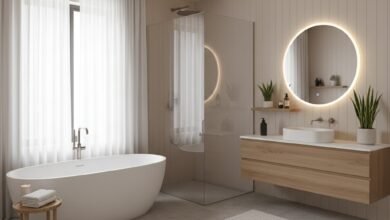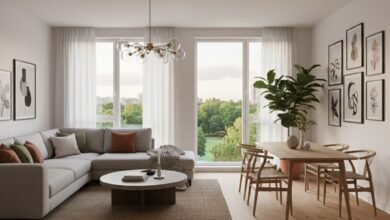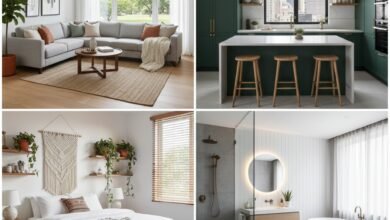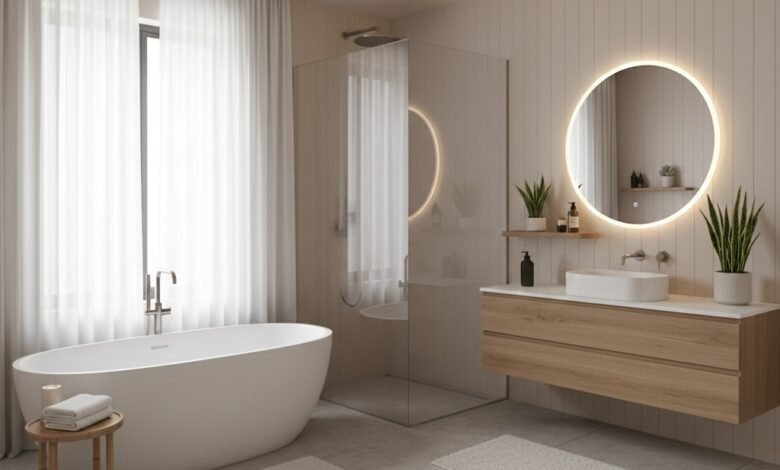
Modern minimalist penthouse design in America represents the zenith of urban luxury, a philosophy where less is profoundly more. It is a deliberate departure from opulent clutter, a conscious curation of space, light, and form that transforms high-altitude residences into serene sanctuaries. This design ethos is not merely an aesthetic choice but a lifestyle statement, reflecting a desire for clarity, intentionality, and a deep connection to the expansive vistas that only a penthouse can provide. The American interpretation of this style blends the rigorous principles of minimalism with a warmth and functionality suited to contemporary living, creating spaces that are as livable as they are breathtaking.
The Philosophical Foundation of Minimalist Luxury
The allure of the modern minimalist penthouse lies in its philosophical core. It draws from Japanese Zen principles, the Bauhaus movement’s “form follows function,” and Scandinavian hygge’s emphasis on comfort. In the American context, this translates to an environment that prioritizes mental clarity and physical well-being. The chaos of the city below is countered by an interior of profound calm. Every element, from the floor plan to the door handle, is considered for its necessity and contribution to the whole. The result is a home that feels both expansive and intimate, a private gallery where the residents and their experiences become the primary art.
Defining Elements of the American Minimalist Penthouse
Creating a successful modern minimalist penthouse requires a meticulous balance of several key elements. It is a discipline of subtraction and precision.
Architectural Integrity and Flow
The architecture is the skeleton of the design. Open floor plans are paramount, dissolving barriers between living, dining, and kitchen areas to create a fluid, uninterrupted expanse. Soaring ceilings, often accentuated with exposed, clean-lined beams or sleek coffers, enhance the sense of volume. Floor-to-ceiling windows are not just a feature; they are the centerpiece, framing dramatic cityscapes or ocean views and bathing the interior in natural light, which becomes the primary design element that shifts and changes throughout the day.
A Restrained and Tactile Material Palette
Material selection is where warmth is infused into the minimalist framework. The palette is neutral but rich in texture. Think of the cool, smooth expanse of polished concrete floors against a vast, warm oak wall paneling. Sleek marble or quartzite countertops sit alongside matte-finish cabinetry. Metals are used sparingly as accents—brushed brass, matte black, or chrome in lighting fixtures and hardware. The following table outlines a typical material matrix for a modern minimalist penthouse:
| Element | Primary Materials | Character & Purpose |
|---|---|---|
| Floors | Polished concrete, wide-plank oak, limestone | Provide a seamless, durable base; add subtle texture and warmth. |
| Walls | Venetian plaster, oak paneling, pure white paint | Create clean backdrops; plaster adds depth, wood adds organic warmth. |
| Surfaces (Counters, Tables) | Statuario marble, quartzite, honed granite, solid wood | Introduce natural veining or grain as understated art; prioritize tactile quality. |
| Textiles | Linen, wool, shearling, high-pile cotton | Layer softness and comfort; define zones without walls. |
Curated Furniture and Intelligent Storage
Furniture in a modern minimalist penthouse is characterized by iconic, sculptural pieces that stand on their own merit. Think of a Florence Knoll sofa, a George Nakashima-inspired live-edge dining table, or an Arco floor lamp. Each piece is selected for its design pedigree, comfort, and proportionality to the space. Crucially, this edited approach is only possible with exceptional, integrated storage. Custom millwork that blends seamlessly into walls—concealing media, libraries, and daily clutter—is essential. The goal is to have only a few beautiful objects in view, allowing them and the views to breathe.
The Mastery of Light and Shadow
Lighting is layered and strategic. During the day, sunlight is modulated through sheer, ceiling-height drapes or smart-tinting glass. As dusk falls, an automated lighting scheme takes over: discreet recessed LEDs for ambient glow, adjustable track lighting for artwork, and statement architectural pieces (like a linear chandelier or sculptural floor lamps) for drama. The interplay of light and shadow across textured walls and surfaces adds a dynamic, ever-changing layer to the static space.
The American Twist: Warm Minimalism
Pure modernism can sometimes feel austere. The American evolution, often termed “warm minimalism” or “soft minimalism,” introduces elements that foster comfort and livability. This is where the modern minimalist penthouse becomes a home. A deep, upholstered sectional in a neutral hue invites lounging. A vintage Persian rug in faded tones adds history and softness underfoot. Indoor plants like a mature fiddle-leaf fig or sculptural orchids bring in life and organic form. Books, sparingly displayed, and a single gallery wall of carefully curated art personalizes the space without overwhelming it.
Challenges and Considerations in Penthouse Minimalism
Designing a modern minimalist penthouse presents unique challenges. The scale must be carefully managed to avoid a cold, impersonal feel. Acoustics in a large, hard-surfaced space require attention, often addressed with oversized area rugs, acoustic wall panels disguised as art, and thick drapes. Technology, from climate control to audiovisual systems and motorized shades, must be fully integrated and invisible, supporting the lifestyle without disrupting the aesthetic. Ultimately, the greatest challenge is maintaining the discipline of minimalism—the constant editing required to preserve the purity of the space.
A Sanctuary in the Sky
In conclusion, the American modern minimalist penthouse is more than a trendy design style; it is a crafted response to modern life. It offers a refuge of order and calm above the bustling metropolis, a place where the mind can unwind. It demonstrates that true luxury is not found in excess, but in the quality of space, the beauty of natural light, the tactility of materials, and the freedom of uncluttered living. It is a testament to the idea that in having less, we actually experience more—more peace, more beauty, and a more profound connection to our surroundings. This elegant simplicity, achieved at such a lofty height, represents the ultimate contemporary American dream.
Frequently Asked Questions
- Is a modern minimalist penthouse design child- or pet-friendly?
Yes, but it requires planning. Durable, easy-to-clean materials (like performance fabrics and scratch-resistant floors), ample closed storage for toys, and sturdy, rounded furniture are key. The philosophy shifts from “less stuff” to “smart, hidden storage for stuff.” - Does minimalist design cost more than traditional luxury interiors?
It can. While you may purchase fewer items, investment in high-quality architectural finishes, custom integrated storage, iconic designer furniture, and smart home technology often represents a significant financial commitment. The cost is in the precision and quality of each element. - How do I add color without breaking the minimalist aesthetic?
Introduce color through a single, impactful piece of art, a small collection of books, or one textured textile like a throw pillow or blanket. The key is to use color as a rare accent, allowing it to stand out dramatically against the neutral backdrop. - Can I incorporate personal collections or heirlooms?
Absolutely. The goal is curation, not emptiness. A single vintage heirloom piece, like a wooden chest or a framed artifact, can add wonderful depth and narrative. Display it intentionally, giving it space to be appreciated as a focal point. - How do I prevent the space from feeling “cold” or “sterile”?
Incorporate warm materials (wood, wool, linen), ensure lighting has warm color temperatures (2700K-3000K), include organic shapes in furniture or decor, and allow for the gentle imperfection of natural materials like live-edge wood or hand-thrown pottery.