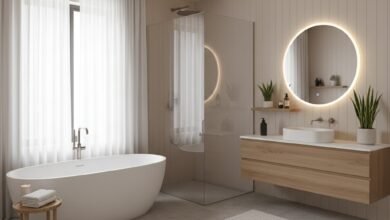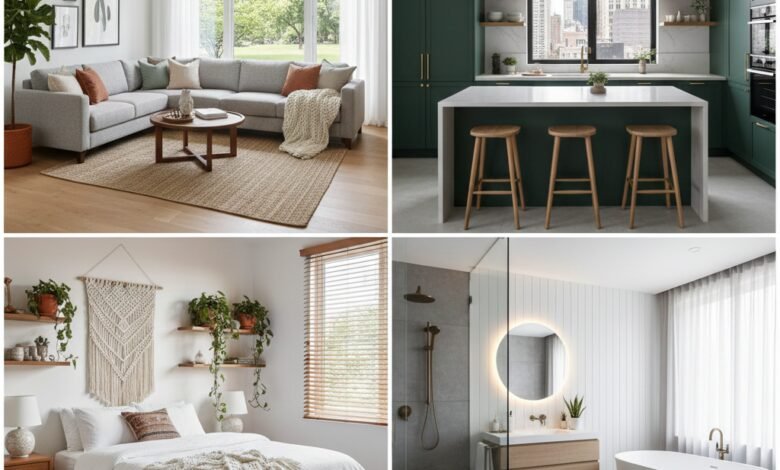
Minimalist home decor is far more than an aesthetic choice; it is a philosophy of living that champions intentionality, clarity, and tranquility. In a world saturated with stimuli and possessions, the minimalist home emerges as a sanctuary—a carefully curated space where every object has a purpose and a place. This design ethos, rooted in concepts from Japanese Zen aesthetics and modernist architecture, is not about creating cold, barren rooms but about cultivating environments that foster peace, focus, and a profound sense of well-being. At its heart, minimalist home decor is the art of subtracting the unnecessary to highlight the essential, allowing both the space and its inhabitants to breathe.
The Foundational Philosophy of Minimalism
The journey toward a minimalist home begins not in a furniture store, but in the mind. It is a shift from a mindset of accumulation to one of curation. The core principle is intentionality: surrounding yourself only with items that serve a functional need or spark genuine joy, as popularized by Marie Kondo. This philosophy challenges the notion that more is better, proposing instead that less, when carefully chosen, is infinitely more valuable. Minimalist home decor is the physical manifestation of this philosophy—a deliberate editing process that results in spaces free from visual noise and clutter. The benefits are multifaceted, ranging from reduced stress and anxiety (as clutter is often a source of subconscious cognitive load) to easier cleaning routines and a greater appreciation for the quality and craftsmanship of the items you own.
The Practical Journey: From Clutter to Clarity
Implementing minimalist home decor is a process, best approached methodically. It starts with a ruthless and honest decluttering. The popular method involves category-by-category sorting (e.g., all books, all clothes, all kitchenware) rather than room-by-room, allowing you to grasp the true volume of your possessions. Ask critical questions: Do I use this? Does this add value to my life? Does it align with the person I am or wish to be? Letting go of items out of guilt or vague “just in case” scenarios is the biggest hurdle to clear. Once the excess is removed—donated, sold, or responsibly discarded—you are left with a clean canvas. This act of subtraction is the most powerful step in defining your minimalist home decor; it creates the physical and mental space for your design intentions to flourish.
Key Principles for Curating Minimalist Home Decor
With a decluttered foundation, you can begin to apply the defining principles of minimalist design. These are not rigid rules but guiding lights that help create cohesive, serene spaces.
1. The Power of a Restrained Palette: Color in minimalism is typically neutral and monochromatic. Think whites, beiges, greys, and taupes for walls and large surfaces. These shades reflect light, make spaces feel larger and airier, and act as a calm backdrop. Accents are often drawn from a natural palette—soft greens, muted blues, or warm wood tones. The goal is harmony, not stimulation.
2. Furniture with Form and Function: Each piece of furniture should be both useful and beautiful in its simplicity. Look for clean lines, geometric shapes, and a lack of ornate detailing. Quality and proportion are paramount; a single, well-made sofa is worth more than three mediocre ones. Furniture should “float” in a room where possible, with legs visible to enhance the feeling of lightness and space.
3. The Sacredness of Negative Space: Often misunderstood as “empty” space, negative (or white) space is an active design element in minimalism. It is the breathing room around furniture and objects, the blank wall between artworks, the clear surface of a countertop. This space is essential for the eye to rest and for the selected objects to hold significance. In minimalist home decor, what you leave out is as important as what you put in.
4. Mindful Accessorizing: Decorations are used sparingly and with great intention. Instead of many small knick-knacks, choose one or two statement pieces—a large, striking piece of art, a sculptural vase, or a beautifully textured rug. Every accessory should be something you truly love and that contributes to the room’s atmosphere.
5. Championing Quality Materials: With fewer items, the quality of each becomes more apparent. Minimalist spaces often highlight the inherent beauty of natural materials: the grain of oak, the coolness of marble, the texture of linen, the softness of wool. These materials age gracefully and add warmth and tactile interest to the serene palette.
A Room-by-Room Guide to Minimalist Decor
Applying these principles room by room can help translate theory into practice.
| Room | Key Focus | Actionable Tips |
|---|---|---|
| Living Room | The heart of the home; focus on flow and conversation. | Choose a modular or simple-profile sofa. Use a single, low-profile media console. Limit throw pillows and blankets to a coordinated few. Conceal electronics and wires. One large piece of art or a minimalist gallery wall works best. |
| Bedroom | A sanctuary for rest and rejuvenation. | Invest in an excellent, simple bed frame. Use built-in or discreet under-bed storage. Nightstands should be clear except for a lamp and perhaps a book. Opt for neutral, high-thread-count bedding. Remove all non-sleep related clutter (e.g., work materials). |
| Kitchen | Function and clean surfaces are king. | Adopt the “one in, one out” rule for utensils and gadgets. Use hidden or integrated storage. Keep countertops as clear as possible (store appliances). Use uniform, simple containers for dry goods. A monochromatic color scheme for tiles and cabinets enhances calm. |
| Bathroom | Spa-like serenity and hygiene. | Use closed storage for all toiletries. Keep only daily-use items on the counter (in a simple tray). Choose white or neutral towels. Incorporate natural elements like a stone soap dish or a small plant. Ensure excellent, soft lighting. |
Sustaining the Minimalist Lifestyle
Creating a minimalist home is an achievement, but maintaining it is an ongoing practice. It requires a shift in consumption habits. Before any new purchase, institute a mandatory reflection period. Ask: “Where will this live? What will it replace? Do I truly need it?” Embrace the concept of “enough”—your home is complete as it is. Regular mini-decluttering sessions, perhaps seasonally, prevent the slow creep of clutter. Remember, minimalist home decor is not a static destination but a dynamic, mindful approach to your living environment. It adapts as your life changes, always serving the core goal of reducing noise—both visual and mental—to make space for a more focused and intentional life.
Frequently Asked Questions
- Is minimalist decor boring or cold?
Not when done well. While minimalist spaces use a restrained palette and clean lines, they gain warmth and interest through texture (wood, wool, linen), natural light, plants, and the careful inclusion of personal, meaningful objects. The lack of clutter allows these elements to shine. - Can I be a minimalist with a family or kids?
Absolutely. Family minimalism focuses on creating functional, safe, and easy-to-clean spaces. It involves curating toys, using smart storage solutions, and teaching values of care and intentionality over accumulation. It’s about creating calm havens amidst the beautiful chaos of family life. - Isn’t minimalist decor expensive?
It can be an investment in quality pieces, but it often saves money in the long run. By buying less and choosing well, you avoid the cycle of cheap, disposable furniture. Furthermore, the initial cost of decluttering is $0, and many beautiful minimalist spaces utilize affordable basics from IKEA or similar, elevated with thoughtful styling. - How do I handle sentimental items?
Minimalism isn’t about erasing your past. It’s about honoring it meaningfully. Instead of keeping every souvenir in a box, display one or two special pieces. Take photos of others before letting them go. The goal is to keep the memory without being physically burdened by the object. - Where do I start if I feel overwhelmed?
Start small. Commit to decluttering a single drawer, shelf, or corner for 15 minutes a day. The momentum from these small wins will build. Remember, it’s a journey of progress, not perfection. Focus on how each cleared space makes you feel—that sensation is your motivation.