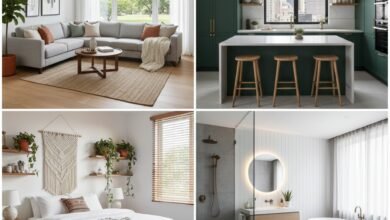
Farmhouse decor in USA is more than a fleeting design trend; it is a deeply rooted aesthetic that speaks to a collective nostalgia for simplicity, authenticity, and warmth. Evolving from the practical needs of early American settlers, this style has been reimagined for the modern home, creating spaces that feel both timeless and inviting. The appeal of farmhouse decor in USA lies in its ability to blend rustic charm with contemporary comfort, creating a lived-in, welcoming atmosphere that feels like a sanctuary from the fast-paced world. This article delves into the history, core principles, regional variations, and practical tips for embracing this beloved American style.
The Historical Roots of American Farmhouse Style
The origins of farmhouse decor in USA are intrinsically tied to the nation’s agricultural history. In the 18th and 19th centuries, the American farmhouse was built for function. Settlers used locally sourced materials like wood, stone, and brick to construct durable, practical homes. Interiors were sparse, with furniture handcrafted for utility. Decoration was not a priority; instead, beauty was found in the honesty of the materials and the craftsmanship of everyday objects. Elements like wide-plank floors, exposed beams, and large fireplaces were not design choices but necessities for warmth and durability. This pragmatic foundation established the core DNA of the style: natural materials, sturdy construction, and an unpretentious vibe. As the 20th century progressed, especially with the advent of industrialization, there was a cultural pushback—a longing for the perceived simplicity and authenticity of the past, which led to the romanticization and eventual revival of the farmhouse aesthetic.
Core Elements of Modern Farmhouse Decor in USA
Today’s interpretation of farmhouse decor in USA skillfully balances old and new. It retains the soul of its historical predecessor while incorporating modern conveniences and a cleaner, more refined sensibility. The following table outlines the fundamental components that define this style:
| Element | Description | Common Examples |
|---|---|---|
| Color Palette | Neutral, calming, and inspired by nature. Serves as a quiet backdrop for textures and natural elements. | Whites, creams, beiges, soft grays, and muted blues or greens. Accents in black or weathered wood tones. |
| Materials & Textures | Emphasis on natural, raw, and reclaimed materials that show character and age. | Reclaimed wood, galvanized metal, wrought iron, linen, cotton, stone, and unfinished ceramics. |
| Furniture | Sturdy, functional, and often vintage or vintage-inspired. Lines are simple, with occasional curved details. | Farmhouse tables with turned legs, ladder-back chairs, antique hutches, and comfortable, slipcovered sofas. |
| Architectural Details | Features that add character and a sense of history to the space. | Shiplap walls, exposed beams, beadboard paneling, apron-front sinks (farmhouse sinks), and wide-plank flooring. |
| Decor & Accessories | Utilitarian items repurposed as decor, alongside natural elements and handcrafted pieces. | Mason jars, wire baskets, vintage signage, botanical prints, stoneware jugs, and simple, framed textiles. |
| Lighting | Functional fixtures with rustic or industrial appeal, often in black, wrought iron, or aged brass. | Gooseneck lamps, lantern-style pendants, chandeliers with candle-style bulbs, and sconces with clear glass. |
Regional Variations of Farmhouse Decor in USA
While there is a unifying theme, farmhouse decor in USA is not monolithic. It adapts to reflect the landscape, history, and local materials of different regions, giving rise to distinct substyles.
Modern Farmhouse
Popularized in recent years, this is arguably the most widespread interpretation. It leans heavily on a crisp white and gray palette, clean lines, and a mix of rustic and industrial elements. The modern farmhouse is highly curated, with shiplap as a signature wall treatment and statement-making lighting. It prioritizes open, airy spaces and a sense of organized simplicity.
Rustic or Traditional Farmhouse
This is the style closest to its historical roots. It feels more collected and less polished. Darker wood tones, more evident wear and patina, and a warmer, earthier color scheme are common. Accessories might include more primitive antiques, hand-forged tools, and quilts. The overall feel is cozy, layered, and deeply rooted in the past.
French Country Farmhouse
This variation introduces European elegance into the American farmhouse framework. The palette may include soft lavenders, golds, and blues alongside cream. Furniture features curved lines, cabriole legs, and carved details. Toile de Jouy fabrics, ornate mirrors, and crystal chandeliers mix with rustic baskets and stone floors for a romantic, provincial feel.
Industrial Farmhouse
Blending the raw edge of urban lofts with rustic warmth, this style incorporates more metal, concrete, and brick. Lighting is decidedly industrial (think exposed Edison bulbs and pipe fixtures), while furniture combines reclaimed wood with iron bases. It’s a perfect style for renovated warehouses or city dwellings seeking a touch of rustic charm.
How to Achieve the Farmhouse Aesthetic in Your Home
Embracing farmhouse decor in USA is about cultivating a feeling, not slavishly following rules. Start with a neutral foundation on walls and large furniture pieces. Introduce texture through layered textiles—a chunky knit throw over a linen sofa, a jute rug on hardwood floors. Hunt for authentic pieces at flea markets or antique stores: an old dough bowl, a wire egg basket, or a set of vintage milk bottles. Don’t shy away from mixing eras; a modern sectional can look perfect opposite a weathered antique trunk. The key is balance—pairing something sleek with something rough, something new with something old. Remember, functionality is part of the charm. Open shelving in the kitchen to display beautiful stoneware, or use a large farmhouse table as both a dining surface and a workspace.
The Cultural Resonance of Farmhouse Decor in USA
The sustained popularity of farmhouse decor in USA points to a deeper cultural yearning. In a digital, often impersonal age, the farmhouse home represents stability, family, and handcrafted authenticity. It is a tactile rejection of mass-produced perfection in favor of items with a story. This style also aligns with a growing interest in sustainability, as it champions reclaimed materials and well-made, long-lasting furniture over disposable decor. Furthermore, its inherent warmth and coziness—the Danish concept of “hygge”—resonates with a desire for comfort and sanctuary at home. Ultimately, farmhouse decor in USA succeeds because it is adaptable; it provides a framework that can be personalized, making a house feel uniquely and genuinely like a home.
Frequently Asked Questions
- What is the difference between farmhouse and rustic decor?
While overlapping, rustic decor is generally more rugged, masculine, and centered on a wilderness or cabin feel, often with darker woods and heavier textures. Farmhouse decor is lighter, airier, and more focused on domestic, agricultural history and a sense of curated simplicity. - Can farmhouse decor work in a small apartment or modern home?
Absolutely. Focus on incorporating key elements in moderation. Use a neutral palette to keep the space feeling open. Add texture with a jute rug, linen curtains, or a reclaimed wood mirror. Choose a few signature farmhouse accessories rather than filling the space. - Is shiplap necessary for a farmhouse look?
No, shiplap is a popular accent but not a requirement. Beadboard, wainscoting, or even a flat wall with a matte finish in a warm white can achieve the same cozy, timeless feel. The architecture should suit your home. - How do I keep my farmhouse decor from looking too themed or kitschy?
Avoid overdoing any single motif (like chickens or excessive signage). Mix in modern elements (a sleek floor lamp, contemporary art) to balance the vintage pieces. Prioritize quality and authenticity over decor that looks mass-produced for the “farmhouse” label. - What are some affordable ways to try the farmhouse style?
Shop secondhand, paint old furniture in a creamy white, swap out modern cabinet hardware for bin pulls or black knobs, display collections of simple white dishware or clear glass bottles, and add woven baskets for storage.