Creating a luxury hotel feel at home is an art form that transcends mere decoration; it is the deliberate cultivation of an atmosphere—a sanctuary of serenity, sophistication, and seamless service. It’s about capturing that elusive sensation you experience when you step into a world-class suite: the immediate sense of calm, the impeccable order, the indulgent textures, and the quiet, attentive ambiance that anticipates your every need. This transformation is not reserved for the extravagantly wealthy; it is an accessible philosophy of living, centered on intentionality, sensory engagement, and the elevation of daily rituals. To master how to create a luxury hotel feel at home is to commit to crafting an environment that not only looks beautiful but feels profoundly restorative, turning your private space into a personal retreat that rivals the most esteemed hospitality brands.
The Philosophy of Luxurious Living: More Than Aesthetics
The foundation of a luxury hotel feel at home is a mindset. Five-star establishments are not simply collections of expensive furniture; they are meticulously designed experiences. They understand that luxury is felt, not just seen. It lives in the weight of a silence, the crispness of a sheet, the scent of the air, and the intuitive placement of a reading light. This philosophy hinges on several core principles: sensory design (engaging all five senses), curated minimalism (where every item has purpose and place), anticipatory comfort (providing for needs before they are voiced), and an unwavering commitment to quality over quantity. By adopting this holistic approach, you move beyond superficial styling to create a deeply personal haven that embodies the essence of a luxury hotel feel at home.
The Sensory Blueprint: Engaging Sight, Touch, Sound, Smell, and Taste
Luxury is a multisensory experience. To authentically recreate a luxury hotel feel at home, you must design for each sense deliberately.
Sight: The Visual Symphony
The visual landscape of a luxury hotel is characterized by harmony, balance, and a restrained color palette. Think neutral foundations—soft whites, warm taupes, elegant greys, and muted beiges—accented with rich, textured layers. Lighting is paramount; it is layered and adjustable. Overhead lighting is often soft or absent, replaced by a combination of ambient (floor lamps, wall sconces), task (bedside reading lights, desk lamps), and accent (picture lights, discreet LED strips) lighting. Incorporate dimmers on every switch to control mood instantly. Mirrors are strategically placed to amplify light and space. Visual clutter is the enemy; storage is elegant and integrated, ensuring surfaces remain clear and serene.
Touch: The Tactile Experience
This is where the luxury hotel feel at home becomes tangible. Invest in the elements that make direct contact with your skin. The bed is the undisputed centerpiece. A high-quality, hotel-style bed setup involves a premium mattress, a plush mattress topper, and, most importantly, layered linens. A typical luxury layering includes a fitted sheet, a flat sheet, a lightweight blanket or duvet, and a decorative coverlet or throw. The thread count (aim for 300-600 for long-staple cotton like Egyptian or Pima) matters less than the quality of the fiber and weave. Crisp percale or silky sateen are classic choices. Add a weighty, down-alternative duvet and an array of pillows of varying firmness. Extend this tactile luxury to towels (plush, absorbent cotton or bamboo), robes, and even the textures of upholstery and rugs underfoot.
Sound: The Acoustics of Calm
Soundscaping is a critical, often overlooked, element. The goal is to minimize harsh, unpredictable noises (street sounds, appliance hum) and introduce soothing, consistent ones. High-quality double-glazed windows, thick carpets, and heavy drapes dampen external noise. Inside, consider a white noise machine, a small tabletop fountain, or a high-fidelity speaker system for playing curated playlists of ambient or classical music. The simple act of ensuring doors don’t slam and drawers close softly contributes significantly to the acoustic peace.
Smell: The Signature Scent
Luxury hotels have a signature scent—a subtle, consistent fragrance that lingers in the memory. You can create your own luxury hotel feel at home with a cohesive scent strategy. Avoid overpowering synthetic air fresheners. Opt for high-quality reed diffusers with essential oil blends (sandalwood, linen, fig, or white tea are popular hotel-inspired scents), discreet scent diffusers, or soy candles. Ensure the scent is mild, sophisticated, and consistent in key areas like the entryway, living room, and bedroom.
Taste: The Mini-Bar and Beyond
Even the act of refreshment should feel curated. Create a stylish “honor bar” or refreshment station. This doesn’t require a full minibar; a beautiful tray or a dedicated shelf with a selection of artisan teas, premium coffee pods with a sleek machine, glass bottled water, and perhaps a few fine glasses and a decanter of your favorite spirit can evoke that indulgent feeling. Presentation is key: use elegant glassware, ceramic canisters, and a small ice bucket.
The Bedroom: Your Personal Suite
The bedroom is the epicenter of the luxury hotel feel at home. Beyond the bed, focus on creating a clutter-free, technology-managed, and service-oriented environment.
| Element | Luxury Hotel Standard | How to Replicate at Home |
|---|---|---|
| The Bed | Multi-layered, high-thread-count linens, plush duvet, pillow menu. | Invest in a quality mattress topper, a duvet with a high fill-power, and a set of 2-4 pillow types (down, firm, memory foam). |
| Nightstand | Minimal: lamp, clock, one book, charging dock, water carafe. | Keep surfaces clear. Use a tray to corral items. Install wireless charging pads. Add a small carafe and glass. |
| Lighting | Layered, all on dimmers, with bedside reading lamps. | Install dimmer switches. Use matching bedside lamps with warm bulbs. Add blackout curtains or shades. |
| Technology | Seamlessly integrated, quiet, and easy to use. | Hide cords. Use a universal remote or smart home system to control lights, shades, and audio. |
| Flooring | Plush carpet or large, soft area rugs. | Place a large, high-pile area rug under the bed, extending on three sides for a soft landing. |
The Bathroom: The Spa Sanctuary
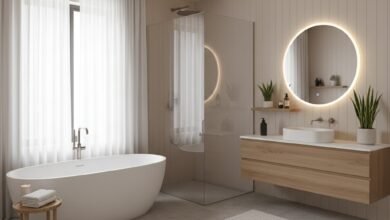
Transform your bathroom into a wet-room spa. The hallmarks are immaculate cleanliness, abundant fluffy towels, and a sense of spaciousness.
- Towels & Robes: Roll or stack plush, monochromatic towels (white is classic) on open shelving or in a warmed towel rack. Provide a luxurious bathrobe and slippers.
- Fixtures & Surfaces: Keep counters completely clear. Use beautiful dispensers for hand soap and lotion instead of branded bottles. A tray for perfume and a single decorative item is enough.
- Shower/Bath Experience: Install a rainfall showerhead. Offer premium bath products (shampoo, conditioner, body wash) in matching bottles. Keep a bath caddy, bath salts, and a candle nearby for a soak.
- Lighting & Mirror: Ensure lighting around the mirror is flattering and bright for grooming. A fog-free, well-lit mirror is a subtle luxury.
Living and Common Areas: The Lobby and Lounge
Public spaces in hotels are designed for both grand impression and intimate comfort. Apply this to your living room and entryway.
The Entryway (The Lobby): This is your first impression. It should be impeccably tidy. A console table with a mirror above, a single piece of art or a floral arrangement, and a place to discreetly store keys and shoes sets the tone. A subtle scent diffuser here welcomes you and your guests.
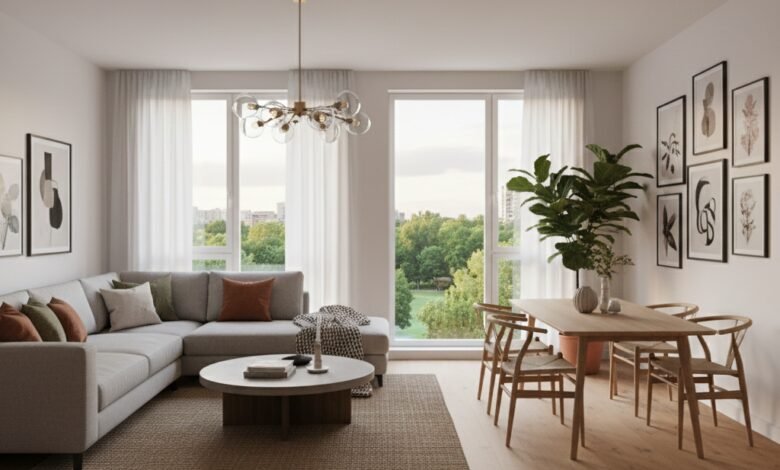
The Living Room (The Lounge): Focus on conversation areas and curated displays. Arrange seating to facilitate easy talk. Have throws neatly folded over chair arms. Surfaces should be mostly bare, with only intentional groupings of objects (a stack of beautiful books, a singular sculpture, a vase with fresh stems). Incorporate a variety of textures—velvet, wool, leather, wood, metal—to add depth and interest without clutter.
Service and Rituals: The Invisible Luxury
The ultimate secret to maintaining a luxury hotel feel at home is adopting the discipline of “service.” This means establishing daily and weekly rituals to uphold the standard.
- The Evening Turndown: Each evening, fluff pillows, straighten the duvet, fold down a corner of the bed, place a bottle of water on the nightstand, and perhaps light a candle for 10 minutes.
- Daily Reset: Spend 10-15 minutes each morning returning everything to its designated place. Make the bed meticulously. Wipe down bathroom surfaces.
- Fresh Flowers & Plants: Regularly introduce life with low-maintenance greenery (like a monstera or peace lily) or a weekly rotation of fresh flowers from the market. A single orchid can last for months.
- Attention to Detail: Polish faucets and mirrors, de-pill bedding and towels, immediately repair any minor malfunctions (a flickering lightbulb, a sticking drawer). This proactive maintenance is the hallmark of true care.
Curating Your Personal Hotel Brand
Finally, personalize your sanctuary. While hotels offer a standardized experience, your home should reflect your tastes. Choose a “signature” scent that you love. Select art that speaks to you. Your book collection should be visible and curated. The goal is not to create a sterile, impersonal showroom, but to elevate your own lifestyle through the lens of luxury hospitality. It is the fusion of impeccable hotel standards with your personal narrative that creates the most powerful and enduring luxury hotel feel at home.
Frequently Asked Questions
- What is the most important element for creating a luxury hotel feel at home?
While all elements work together, the bed is arguably the most critical. Investing in high-quality bedding (mattress topper, duvet, and linens) provides the most direct and daily experience of tactile luxury, instantly elevating the comfort and feel of your bedroom. - Can I achieve this look on a budget?
Absolutely. The philosophy is more important than the price tag. Focus on decluttering ruthlessly, mastering lighting with affordable lamps and dimmers, rolling your towels, keeping surfaces clear, and adding a consistent scent with a single diffuser. Thrift stores can be great for finding quality glassware, trays, and art frames. - How do I maintain a luxury hotel feel at home with a family?
Implement smart, stylish storage solutions for everyone’s belongings. Establish “reset” times (like before dinner) where common areas are tidied. Use durable, yet beautiful, materials. Make the sensory elements—like cozy blankets, pleasant scents, and calming music—a family comfort that everyone appreciates. - What is the biggest mistake people make when trying to replicate this style?
The most common mistake is over-accessorizing and allowing clutter to accumulate. Luxury hotel design is rooted in curated minimalism. Having too many decorative items, mismatched textiles, or visible everyday clutter (mail, remotes, charging cables) instantly breaks the serene, intentional atmosphere. - How often should I refresh elements like linens and decor?
Linens should be replaced when they show signs of wear, pilling, or fading—typically every 2-3 years with regular use. Decorative elements like throw pillows, artwork, and small accessories can be rotated seasonally or when you desire a refresh, but the core foundation (color palette, key furniture) should remain stable to retain the cohesive feel.