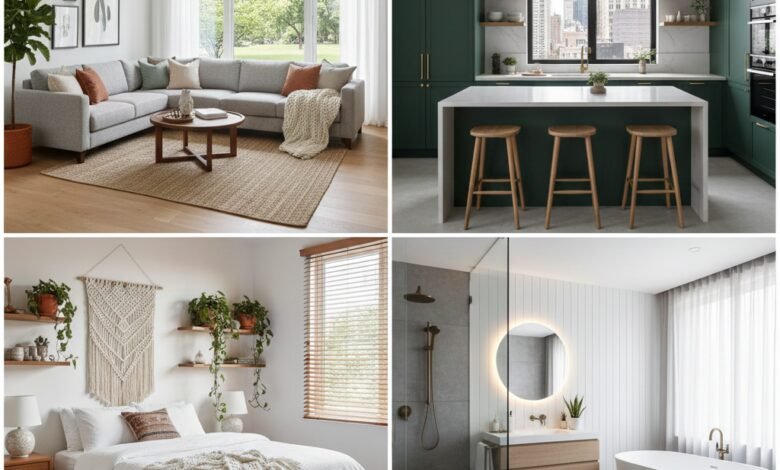
Luxury home staging transcends mere decoration; it is the meticulous art of crafting an aspirational narrative, a visceral experience that allows affluent buyers to envision not just living in a space, but thriving within a lifestyle. In the rarefied air of high-end real estate, where properties are not merely homes but statements of achievement and taste, staging becomes a critical strategic tool. It is no longer about filling rooms but about curating an environment that whispers of exclusivity, sophistication, and unparalleled comfort. This deliberate process speaks directly to the emotional and psychological drivers of the luxury buyer, transforming a high-value asset into an irresistible dream. The goal of luxury home staging is to create a seamless, emotive journey that highlights architectural grandeur, maximizes perceived value, and ultimately, compels a premium offer.
Understanding the Luxury Buyer’s Psyche
The foundation of effective luxury home staging lies in a deep understanding of the target audience. The ultra-high-net-worth individual is not purchasing square footage; they are investing in a lifestyle, a legacy, and an emotional sanctuary. They seek perfection, uniqueness, and a turnkey experience. Their decision-making is often driven by a desire for quality, craftsmanship, and a sense of arrival. Therefore, staging must appeal to these sensibilities. It should eliminate any need for imagination on the buyer’s part, presenting a flawless vision of life at its most refined. Every element, from the texture of the fabrics to the ambient lighting, must communicate quality and intentionality, assuring the buyer that they are acquiring a property that has been cared for at the highest level.
The Pillars of Premium Presentation: A Strategic Framework
Successful luxury home staging rests on several interconnected pillars. Neglecting any one can undermine the entire presentation.
1. The Imperative of Decluttering and Architectural Honesty
Before a single piece of furniture is introduced, the space must be returned to its purest form. This goes beyond basic tidying. It involves a ruthless edit of the homeowner’s possessions, stripping the property back to highlight its intrinsic architectural virtues— soaring ceilings, exquisite millwork, stunning vistas, and unique features. Walls should be neutralized with a fresh coat of premium paint in sophisticated, timeless hues like warm greys, elegant off-whites, or deep, saturated tones in libraries or studies. Floors should be impeccably refinished, and every surface should gleam. This creates a pristine canvas upon which the staging story is painted.
2. Curated Furnishings: Scale, Quality, and Uniqueness
Off-the-shelf furniture has no place in a multi-million dollar listing. Staging must utilize custom, high-end pieces that match the scale and proportion of the rooms. Oversized sofas in vast living areas, statement dining tables that anchor a room, and artisanal case goods are essential. The furniture should feel collected, not matched, suggesting a history of discerning acquisition. Mix textures like velvet, silk, aged leather, and natural stone. Invest in iconic design pieces that signal knowledge and taste.
3. The Layer of Art and Accessories
Art is the soul of a staged luxury home. It should be substantial, original, and appropriate to the space. Large-scale paintings or sculptures can define a room and create a powerful focal point. Accessories are the final punctuation— fewer, but far more significant. Think of a curated collection of art books on a coffee table, a singular ceramic vase from a known artist, or antique scientific instruments in a study. Every item must have a purpose and a presence.
4. Sensory Experience: Lighting, Scent, and Sound
Luxury home staging must engage all the senses. Lighting is paramount: layer ambient, task, and accent lighting. Use dimmers universally. Ensure every corner is intentionally lit, with highlights on art and architecture. A subtle, signature scent (like linen, fig, or white tea) diffused through the home creates a memorable atmosphere. Similarly, a curated, soft soundtrack of classical or ambient music playing in the background can set a serene tone during showings.
Room-by-Room Strategy for Maximum Impact
Each area of a luxury home serves a distinct purpose in the buyer’s imagination.
| Room | Staging Objective | Key Tactics |
|---|---|---|
| Grand Foyer & Staircase | Create a powerful first impression and sense of arrival. | Statement chandelier, monumental floral arrangement, curated art piece on focal wall, impeccable flooring highlighted. |
| Primary Suite | Sell the dream of ultimate relaxation and private sanctuary. | Luxurious, hotel-quality bed linens, seating area (chaise lounge, armchairs), fireplace styled, spa-like bathroom with plush towels, robes, and unlit candles. |
| Chef’s Kitchen & Butler’s Pantry | Showcase functionality, premium appliances, and entertainment readiness. | Clear countertops except for 1-2 high-end appliances (e.g., copper kettle), styled island with a bowl of pristine fruit or gourmet cookbooks, pantry organized with uniform storage containers. |
| Formal Living & Dining Rooms | Demonstrate capacity for elegant entertainment and sophisticated gatherings. | Dining table set with fine china and crystal for a hypothetical dinner party; living area arranged for conversation with luxurious textiles and art. |
| Home Office/Library | Convey success, intellect, and a quiet place for legacy decisions. | Rich, dark walls, leather Chesterfield sofa, globe bar, serious books (not fillers), a beautiful writing set on the desk. |
| Outdoor Living Spaces | Extend the livable square footage and promote indoor-outdoor flow. | Fully furnished as outdoor rooms (dining, lounge, conversation areas), with weather-proof luxury furniture, outdoor rugs, fireplace or fire pit lit if possible, potted mature plants. |
Advanced Techniques: The Digital and Beyond
In today’s market, luxury home staging extends into the virtual realm. High-quality professional photography and videography are non-negotiable. Consider drone footage for estates, 3D virtual tours, and even twilight photography to showcase the property in different lights. For vacant or difficult-to-stage properties, high-end virtual staging can be a cost-effective tool, but it must be photorealistic and use furniture of appropriate luxury caliber.
Common Pitfalls to Avoid in Luxury Staging
Even with a generous budget, missteps can cheapen the presentation. Avoid overcrowding rooms— luxury breathes. Steer clear of overly trendy, fast-fashion decor that will date quickly. Do not use fake plants or flowers of poor quality; invest in fresh, spectacular florals or realistic high-end silks. Never leave personal photographs, toiletries, or clutter in sight. Finally, ensure all technology is updated, intuitive, and discreetly integrated.
Investing in Perception: The ROI of Luxury Home Staging
The investment in professional luxury home staging is significant, but the return is quantifiable. Properly staged luxury homes typically sell faster and for a higher percentage of the list price than their unstaged counterparts. The cost of staging is often a fraction of the first price reduction a seller might have to take on a stagnant listing. More importantly, it markets the property effectively across all platforms, generating greater buyer interest and competition, which is the ultimate driver of premium sales prices in any market.
Frequently Asked Questions
- What is the difference between regular home staging and luxury home staging?
While both aim to sell a property, luxury staging focuses intensely on crafting a bespoke lifestyle narrative using custom or high-design furniture, original art, and sensory details. It prioritizes uniqueness, supreme quality, and a turnkey experience for a discerning buyer, whereas regular staging often focuses more broadly on depersonalization and general appeal. - How much does luxury home staging typically cost?
Costs vary dramatically based on property size, location, and duration, but for high-end estates, staging can range from tens of thousands to over one hundred thousand dollars. This reflects the cost of leasing or moving high-value inventory, custom installations, and professional design services. - Is virtual staging acceptable for luxury properties?
It can be a useful tool for vacant properties in marketing materials, but it should be exceptionally high-quality and used as a supplement, not a replacement. For in-person viewings, physical staging is almost always superior as it provides the full sensory experience. - Who pays for the staging—the seller or the real estate agent?
Typically, the seller pays for staging as a pre-listing investment in marketing their home. In some cases, top-tier agents may offer staging services as part of a comprehensive marketing package, but the cost is ultimately factored into their commission structure. - How long does the luxury staging process take?
From initial consultation to installation, the process for a large estate can take several weeks. It involves detailed planning, furniture selection/ procurement, and a multi-day installation. Rushing the process can compromise the quality of the final result.