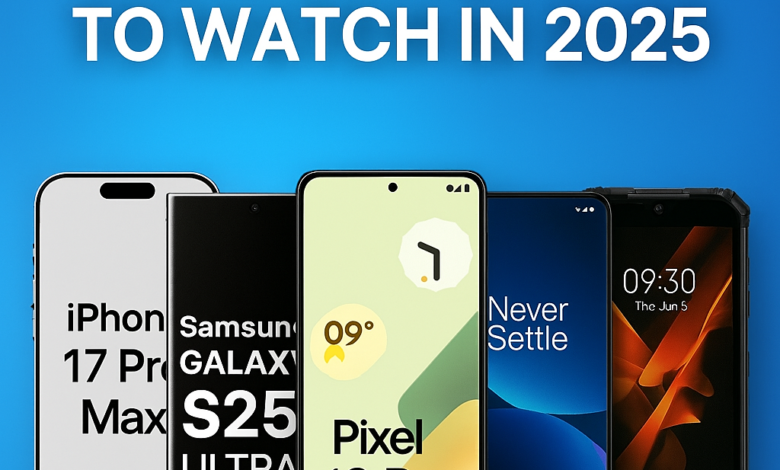
The Samsung S26 Ultra stands as a monumental achievement in modern smartphone engineering, a device that soars to breathtaking heights in performance, photography, and design, yet is inexplicably tethered to the ground by a single, persistent flaw. For weeks, this technological titan has been my constant companion, and the experience has been largely sublime. From the moment you unbox it, the S26 Ultra exudes premium craftsmanship. The new, flatter titanium frame feels reassuringly solid, the slightly larger 6.9-inch Dynamic AMOLED 3X display is a window to a shockingly vibrant and sharp world, and the quad-camera array, now housed in a more integrated module, promises photographic prowess beyond imagination. The Snapdragon 8 Gen 4 chipset, coupled with 16GB of RAM, dispatches every task, from mundane email management to intensive gaming, with an effortless, cold efficiency. The battery life, bolstered by a 5,500mAh cell and more efficient components, consistently delivers a day and a half of heavy use. It is, by nearly every objective measure, the most capable smartphone on the planet. Yet, throughout this period of technological bliss, one issue has repeatedly surfaced, a thorn in the side of this otherwise pristine rose: its profoundly inconsistent and often frustrating software experience, particularly concerning thermal management and background task handling.
A Symphony of Hardware: Where the Samsung S26 Ultra Excels
Before delving into its Achilles’ heel, it is only fair to celebrate the symphony of excellence that Samsung has orchestrated with the S26 Ultra’s hardware. This is a device built without compromise.
The Display: A Canvas of Perfection
The screen is, simply put, peerless. With a peak brightness pushing 3,000 nits, it remains perfectly legible under the harshest sunlight. The 144Hz adaptive refresh rate is buttery smooth, and the new LTPO technology allows it to dip to an incredible 1Hz for static content, saving precious battery. HDR content on streaming platforms is a visual feast, with blacks so deep they seem to swallow light.
Photographic Prowess: Redefining Mobile Imaging
The camera system has received its most significant leap in years. The new 250MP wide sensor captures staggering detail, while the updated periscope telephoto lens now offers a true 10x optical zoom with vastly improved image stabilization. Low-light performance is phenomenal, with noise being almost entirely absent. A new AI-powered “ProVisual Engine” assists in composition and post-processing, making professional-grade shots accessible to all.
| Camera Lens | Specification | Key Improvement |
|---|---|---|
| Main Wide | 250MP, f/1.7 | Unprecedented detail capture, superior dynamic range |
| Periscope Telephoto | 50MP, 10x Optical Zoom | True 10x optical, enhanced OIS for crisp long-range shots |
| Ultra-Wide | 48MP, 123° FOV | Reduced distortion, better macro capabilities |
| Front Camera | 32MP, Autofocus | 4K 60fps video, improved low-light selfies |
Performance and Battery: Unmatched Endurance
Benchmark numbers for the Samsung S26 Ultra are academic; in real-world use, it never stutters. Multitasking between a dozen apps, editing 8K video, and playing the most demanding games is handled with a nonchalant ease. The 5,500mAh battery, combined with the 45W wired and 25W wireless charging, ensures you are rarely left searching for an outlet. It is a powerhouse in the truest sense.
The Glaring Imperfection: Software Inconsistency and Thermal Throttling
However, the sheen of this hardware marvel is persistently dulled by the software that drives it. The issue with the Samsung S26 Ultra is not one of capability, but of consistency and optimization. The primary manifestation of this problem is an aggressive and often illogical thermal management system that leads to performance throttling and poor background task management.
During extended usage sessions—such as recording 8K video for more than 10 minutes, using GPS for navigation on a warm day, or even during prolonged video calls—the Samsung S26 Ultra becomes noticeably warm. This is expected. What is not expected is the system’s drastic response. The display brightness is forcibly dimmed, often to an unusable level in bright environments, and cannot be manually increased until the device cools. More critically, the processor is throttled significantly, causing apps to lag, animations to stutter, and the overall experience to degrade from “flagship” to “mid-range” in a matter of minutes.
This is compounded by One UI 7’s overzealous background app management. Despite having 16GB of RAM, the Samsung S26 Ultra frequently closes apps running in the background. You might be listening to a podcast, switch to take a photo, and return to find the podcast app has been killed, losing your place. Navigation apps are particularly vulnerable; switching to a music app for a moment can cause GPS rerouting upon return. This creates a jarring experience where the hardware promises seamless multitasking, but the software actively works against it.
The AI Paradox
Ironically, the very AI features Samsung heavily promotes—like real-time language translation in calls, advanced photo editing, and the contextual Bixby assistant—are some of the biggest contributors to this thermal load. Using these features for extended periods almost guarantees you will trigger the thermal protocols. It feels as if the software has not been finely tuned to harness the raw power of the Snapdragon chipset efficiently, creating a bottleneck where silicon meets code.
How This Flaw Impacts the Daily Experience
This isn’t just a niche problem for power users. It affects core scenarios:
- The Content Creator: Trying to film a vlog outdoors? The moment the sun hits the device, your recording session is on borrowed time before brightness plummets.
- The Traveler: Using the Samsung S26 Ultra for navigation in a car without a cooled charger leads to a dim, sluggish device just when you need it most.
- The Multitasker: Jumping between work apps, communication tools, and media becomes an exercise in reloading and waiting, negating the purpose of such powerful hardware.
For a device costing well over $1,500, this lack of polish is difficult to excuse. Competing devices, while perhaps not matching the Samsung S26 Ultra in peak camera performance, offer a far more consistent and reliable day-to-day experience.
The Verdict: So Close to Zenith
The Samsung S26 Ultra is a breathtaking piece of technology. It represents the absolute cutting edge of what is possible in a mobile form factor. Its display, cameras, and raw performance are, for now, untouchable. Yet, the experience of using it is periodically marred by a software layer that feels at odds with its own hardware ambitions. The thermal throttling and aggressive app management are significant flaws in an otherwise masterpiece.
It leaves potential buyers with a difficult choice. If you are a user who demands the absolute best camera for short bursts, the best display for media consumption, and top-tier performance for sporadic tasks, the Samsung S26 Ultra is your phone. But if you need a device that can sustain that brilliance consistently under pressure, that can truly be a “do everything” tool without compromise, you may find its one glaring flaw a deal-breaker. The Samsung S26 Ultra is almost perfect… except for this. And in the rarefied air of ultra-premium smartphones, “almost” is a very big word.
Frequently Asked Questions (FAQs)
- Is the thermal throttling on the Samsung S26 Ultra a hardware or software issue?
It is primarily a software and firmware optimization issue. The hardware is capable, but the thermal management algorithms are overly conservative, throttling performance too early and aggressively. - Can a software update fix the Samsung S26 Ultra’s main flaw?
Potentially, yes. Samsung could release updates that adjust the thermal thresholds, improve background task management, and optimize the AI processes to be less taxing. However, there’s no guarantee a full fix is possible via software alone. - Does using a case make the overheating worse on the Samsung S26 Ultra?
A thick, insulating case can trap heat and potentially lead to throttling occurring slightly sooner. Using a slimmer case or removing it during intensive tasks like gaming or video recording can help. - How does this flaw compare to previous Samsung Ultra models?
While previous models like the S23 Ultra and S24 Ultra had some thermal management, the issue seems more pronounced on the S26 Ultra, likely due to the more powerful chipset and higher-resolution sensors pushing the thermal envelope further. - Should I buy the Samsung S26 Ultra or wait for a fix?
If camera versatility is your absolute top priority and you can tolerate occasional performance dips, it’s still the best. If consistent, reliable performance is more critical, you may want to wait for comprehensive reviews post-potential software updates or consider alternatives.