In a world perpetually chasing the next hyper-connected, screen-dominant innovation, a quiet yet profound counter-revolution is unfolding. The most unexpected trend of 2026 isn’t a foldable tablet or a neural interface; it’s the triumphant, deliberate return of the humble flip phone. Across demographics, from Gen Z to Boomers, a growing movement is decisively rejecting the smartphone status quo and buying flip phones again. This isn’t merely nostalgia; it’s a calculated, conscious shift driven by digital fatigue, a yearning for tangible interaction, and a redefined understanding of what a communication device should be. The act of snapping a phone shut has become a powerful symbol of reclaiming attention, privacy, and time.
The Catalysts of the Comeback
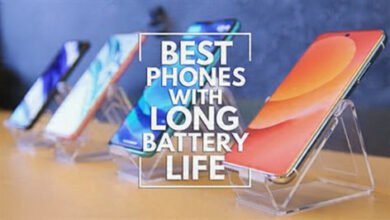
The resurgence of the flip phone is not a singular phenomenon but the convergence of several powerful cultural and technological currents. The primary driver is a widespread state of digital burnout. After nearly two decades of smartphone saturation, users are exhausted by the endless scroll, notification anxiety, and the blurring of work-life boundaries. The flip phone, with its inherent limitations, offers a built-in solution: digital minimalism. It provides the essential functions—calls, texts, a basic camera, perhaps maps—without the bottomless pits of social media apps, news feeds, and addictive games. Choosing a flip phone is an act of setting boundaries, a hardware-enforced digital diet.
Beyond Burnout: Privacy, Sustainability, and Style
Parallel to wellness concerns is a heightened global awareness of data privacy. Modern flip phones, especially new models released in 2024-2026, are often marketed as “low-data” or “privacy-first” devices. They lack the constant background telemetry of full-fledged operating systems, offer fewer vectors for data harvesting, and their physical form—including a camera shutter that closes with the flip—provides a visceral sense of security. Furthermore, the sustainability movement has embraced the flip phone’s longevity. Unlike glass-slab smartphones designed for planned obsolescence, modern flip phones are built to be durable, repairable, and used for years, appealing to the environmentally conscious consumer.
Lastly, we cannot underestimate the power of aesthetic rebellion. In an era where all smartphones look eerily similar, the flip phone stands out. The satisfying snap of closing it, the compact form factor, and the retro-futuristic appeal have made it a fashion statement. It signals intentionality, a refusal to be constantly available, and a touch of analog charm in a digital world.
The 2026 Flip Phone: Not Your Grandpa’s Razr
To assume that people are buying flip phones again that are identical to 2005 models is a mistake. The 2026 flip phone is a sophisticated hybrid, blending the beloved form factor with carefully curated modern necessities. Manufacturers have brilliantly segmented the market.
| Category | Key Features | Target Audience |
|---|---|---|
| The Purist | 4G/LTE calling & texting, long-lasting battery (7+ days), basic camera, physical keypad, no app store. | Digital detoxers, minimalists, privacy advocates. |
| The Hybrid | 4G/5G connectivity, e-ink or segmented secondary outer screen for notifications, hotspot capability, basic GPS, music player, voice assistant. | Professionals seeking focus, parents, secondary device users. |
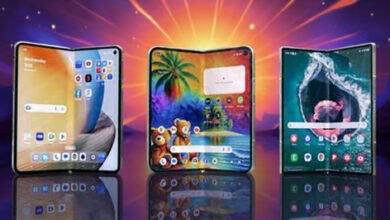
| The Premium Flip | Full smartphone specs (foldable OLED main screen), advanced cameras, app compatibility (but often limited to curated “essential” apps), luxury materials. | Tech enthusiasts, fashion-forward users, those wanting a “best of both worlds” device. |
This segmentation is key to the trend’s breadth. A teenager might carry a Purist model to school to avoid distraction, while keeping a tablet at home for homework. A corporate lawyer might use a Hybrid as their primary phone to ensure deep work periods, and a designer might sport a Premium Flip as a statement piece that still lets them check email and use a ride-sharing app when absolutely necessary.
The Social and Psychological Impact
The decision to start buying flip phones again is having ripple effects beyond personal gadget choice. Psychologists note a phenomenon they call “the flip phone effect”: users report significantly lower levels of anxiety, improved sleep, and a greater presence in face-to-face interactions. The simple act of closing the phone to end a call or interaction provides a definitive psychological full stop, something endlessly scrolling on a smartphone never does.
Socially, the flip phone is changing dynamics. It makes the user deliberately less reachable, forcing friends and colleagues to plan rather than presume instant availability. It has sparked a minor revival of voice calls and even text-based SMS conversations, moving communication away from the performative arena of social media. In classrooms and workplaces, flip phones are being welcomed as tools that enhance, rather than fracture, attention.
Why Everyone is Buying Flip Phones Again: The Economic Angle
The economic argument is compelling. A high-end Purist or Hybrid flip phone in 2026 costs a fraction of a flagship smartphone. With no need for expensive data plans packed with unlimited streaming, users often downgrade to cheaper, call-and-text focused plans. The durability of the devices also means fewer repairs and longer replacement cycles. In an uncertain economic climate, the flip phone represents both fiscal and cognitive savings.
Challenges and the Road Ahead
The movement is not without its hurdles. The “app gap” is real for Purist and Hybrid users. Navigating a world built on QR codes, digital boarding passes, and mobile banking requires forethought and sometimes a companion tablet. There’s also a social friction in being the person who can’t instantly look something up, share a social media post, or use a popular messaging app.
However, these challenges are fueling further innovation. App developers are creating ultra-lightweight, web-based versions of essential services. Businesses are becoming more accommodating, often providing alternatives. The inconvenience, for many converts, is precisely the point—it’s the friction that creates mindfulness.
As we move deeper into 2026, the trend of buying flip phones again shows no sign of slowing. It has evolved from a niche hipster trend to a mainstream lifestyle choice. It represents a collective deep breath, a moment of technological self-determination. The flip phone renaissance isn’t about rejecting technology; it’s about demanding technology that serves us, rather than enslaves us. It’s a reminder that sometimes, progress means looking back to move forward wisely, and that the most satisfying feature a device can offer is the power to truly turn it off.
Frequently Asked Questions (FAQs)
- Are modern flip phones really “dumb phones”?
Not necessarily. The market is segmented. While “Purist” models are basic, “Hybrid” and “Premium” flips offer smart features like GPS, music streaming, hotspotting, and even limited app access, all within the flip form factor. - Can I still use WhatsApp or social media on a flip phone?
On most Purist and Hybrid models, no, and that’s often the intended benefit. Premium flips with full operating systems (like Android) can run these apps, but the small screen and form factor naturally discourage prolonged use. - How do I handle things like mobile banking or boarding passes?
This requires planning. Many flip phone users maintain a tablet or computer at home for such tasks. Alternatively, some services offer SMS-based alternatives or printable passes. The growing trend is pushing some services to become more accessible. - Is the call and text quality good on new flip phones?
Yes, modern flip phones operate on 4G and 5G networks, offering crystal-clear VoLTE calls and fast texting. They often have better battery life for talk time than smartphones. - Who is leading this trend? Is it just older people?
While older generations appreciate the simplicity, the trend is being powerfully driven by younger demographics, particularly Gen Z and Millennials, who are experiencing acute digital fatigue and seeking ways to curate their attention and online presence more intentionally.