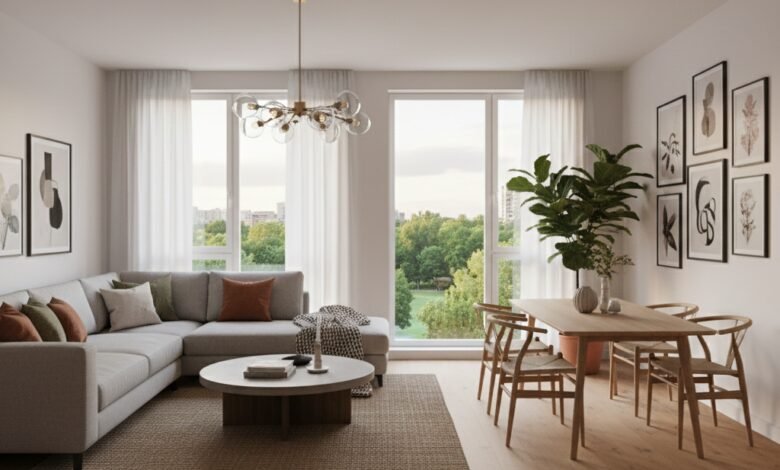
Scandinavian interior USA is more than a fleeting trend; it is a profound design dialogue between Nordic sensibility and the American spirit. This aesthetic migration, which began in the mid-20th century, has evolved from a niche interest into a mainstream design philosophy, reshaping American homes with its ethos of simplicity, functionality, and connection to light and nature. The journey of Scandinavian interior USA adaptation is a story of cultural translation, where the stark minimalism of the north is gently warmed by the pragmatic and often more expansive scale of American living. It represents not a strict copy, but a harmonious blend, creating spaces that are both serene and livable, minimalist yet deeply comforting.
The Historical Crossroads: Mid-Century Modern and Scandinavian Design
The initial wave of Scandinavian interior USA influence crashed onto American shores in the 1950s. Post-war America was ripe for a new design language that championed democracy, accessibility, and modern living. The 1954-1957 “Design in Scandinavia” traveling exhibition was a pivotal moment, introducing millions of Americans to the work of Alvar Aalto, Arne Jacobsen, Hans Wegner, and others. This dovetailed perfectly with the burgeoning American Mid-Century Modern movement. While sharing a focus on clean lines and organic forms, the Scandinavian interior USA interpretation often softened the harder edges of its American counterpart, prioritizing natural materials and handcrafted warmth over industrial coolness. Furniture like Wegner’s Wishbone Chair or Jacobsen’s Egg Chair became icons, symbolizing a sophisticated yet approachable modernity that resonated deeply.
Core Principles of Scandinavian Design in an American Context
The successful transplantation of Scandinavian interior USA style hinges on the adaptation of its core tenets to different climates, lifestyles, and spatial realities.
Hygge and Lagom: Importing Nordic Wellbeing
The concepts of *Hygge* (a quality of coziness and comfortable conviviality) and *Lagom* (meaning “just the right amount”) are the soul of the Scandinavian interior USA movement. In American homes, this translates to creating intentional sanctuaries. It’s the art of layering soft, textural throws over a sleek sofa, the glow of multiple candle sources instead of one harsh overhead light, and the curation of objects that bring joy rather than clutter. It’s a conscious rejection of excess in favor of curated contentment, a philosophy that appeals to Americans seeking respite from a fast-paced culture.
Light, Nature, and Space
Maximizing light is a survival tactic in dark Nordic winters, but in the Scandinavian interior USA context, it becomes a tool for enhancing well-being. This principle manifests in sheer window treatments, reflective surfaces, and a strategic use of mirrors. The connection to nature, another pillar, is achieved not just through large windows but by incorporating indoor plants, wood elements, and natural fibers like wool, linen, and leather. While Scandinavian apartments are often compact, the American application of these principles focuses on creating an *illusion of airy space, even in larger homes, through open floor plans, multi-functional furniture, and a restrained color palette.
The American Adaptation: A Regional Interpretation
The Scandinavian interior USA aesthetic is not monolithic; it bends and adapts to the diverse geography and culture of the United States.
| U.S. Region | Scandinavian Influence | Local Adaptation |
|---|---|---|
| Pacific Northwest (Seattle, Portland) | Strong emphasis on wood, connection to outdoors, functional design. | Merges with rustic and cabin aesthetics; uses darker, local timber like cedar; embraces rain-light with cozy, hygge-centric interiors. |
| Northeast (New York, Boston) | Space optimization, clean lines, minimalist art. | Adapted for smaller apartments and historic brownstones; features sleek, multi-functional furniture; often blends with industrial loft elements (exposed brick, steel). |
| California (LA, San Francisco) | Indoor-outdoor flow, light colors, organic shapes. | Fuses with California Casual and Bohemian styles; uses more color and eclectic vintage pieces; emphasizes seamless transitions to patios and gardens. |
| Midwest (Minneapolis, Chicago) | Craftsmanship, durability, warmth against cold. | Emphasizes hearty textiles, fireplaces as hygge hubs, and a palette that reflects the prairie landscape; connects with American Arts & Crafts traditions. |
Key Elements of a Scandinavian-Inspired American Home
Creating an authentic Scandinavian interior USA space involves a careful selection of elements that honor the original philosophy while suiting American life.
The Color Palette: From Snowy Whites to Earthy Hues
The foundation is a neutral backdrop of whites, soft grays, and beiges, reflecting the Nordic light. However, the Scandinavian interior USA palette often expands to include warmer taupes, sage greens, and muted blues, drawing from the American landscape. Accents might be bolder—a deep navy, a terracotta pot, or a single piece of artwork with a splash of color—providing personality without overwhelming the serene base.
Furniture and Decor: Form, Function, and Fusion
Furniture is characterized by clean lines, gentle curves, and honest materials. While iconic Danish designs are coveted, the American market has flourished with brands offering accessible, high-quality interpretations. Decor is minimal and meaningful. A single statement vase, a collection of handmade ceramics, or a graphic black-and-white photograph takes precedence over knick-knacks. Textiles are the secret weapon: sheepskins, chunky knit blankets, and linen cushions add the essential layers of texture that define hygge.
Materials and Textures: The Tactile Experience
The Scandinavian interior USA style is deeply tactile. It champions the beauty of imperfect, natural materials:
- Wood: Light-toned oak, ash, and pine for flooring and furniture, often with a matte finish.
- Stone & Ceramic: Smooth, cool tiles in bathrooms or as fireplace surrounds.
- Metals: Brushed brass, matte black, or aged iron for light fixtures and hardware, used sparingly.
- Textiles: A layered mix of weaves—nubby wool, smooth linen, plush cotton—to create visual interest and physical comfort.
Implementing the Style: A Practical Guide for American Homes
Adopting the Scandinavian interior USA ethos is about mindset as much as aesthetics. Start with a decluttering purge, embracing the “Lagom” principle of owning just what you need and love. Paint walls in a soft, light-reflecting white or gray. Invest in a few key pieces of well-designed, functional furniture rather than filling a room. Prioritize lighting: use a combination of overhead, task, and ambient lighting (especially candles). Finally, bring nature in—with plants, a bowl of seasonal fruit, or a vase of simple branches. Remember, the goal is not a museum-like perfection, but a home that feels calm, intentional, and authentically yours.
The Enduring Appeal of Scandinavian Interior USA
Why does the Scandinavian interior USA fusion continue to captivate? In an era of digital overload and consumer excess, it offers a template for mindful living. It promises homes that are not just visually pleasing but psychologically restorative. It champions quality over quantity, experience over possession, and light over gloom. This design philosophy proves that simplicity is not a lack but a refinement, and that a home rooted in such principles can provide a profound sense of peace and stability. The Scandinavian interior USA movement is, ultimately, a successful cultural hybrid—a testament to the universal human yearning for beauty, functionality, and sanctuary.
Frequently Asked Questions (FAQs)
- Is Scandinavian design only for small spaces and cold climates? No. While it excels at optimizing small spaces, its principles of light, flow, and decluttering enhance homes of any size. Its focus on coziness (hygge) is perfect for cold climates, but its emphasis on airiness and nature connection makes it equally suitable for warmer regions, especially when adapted with lighter textiles and ample ventilation.
- Can I incorporate color into a Scandinavian-style room? Absolutely. While the base is often neutral, color is used strategically. Think muted, earthy tones inspired by nature—dusty blues, mossy greens, soft terracottas—as accent walls, in textiles, or through artwork. The key is restraint and ensuring the space still feels calm and light-filled.
- How is Scandinavian design different from Minimalism? Scandinavian design is a warmer, more tactile cousin of strict minimalism. While both value simplicity and lack of clutter, Scandinavian style emphasizes comfort, texture, and a connection to nature. It feels lived-in and cozy, whereas minimalism can feel more austere and monastic.
- What are some affordable ways to achieve this look in the USA? Focus on paint, decluttering, and DIY projects first. Shop for solid wood furniture at thrift stores and refinish it. Brands like IKEA (of course), Target’s Project 62, Article, and Wayfair offer affordable, style-appropriate pieces. Invest in quality textiles and lighting gradually.
- Does this style work with existing traditional American furniture? Yes, it can create a beautiful, eclectic mix. Pair a traditional wooden dining table with modern Scandinavian-style chairs. Use a sleek Scandinavian sofa in a room with classic moldings. The contrast between clean lines and ornate details can be very dynamic if balanced with a cohesive color palette.