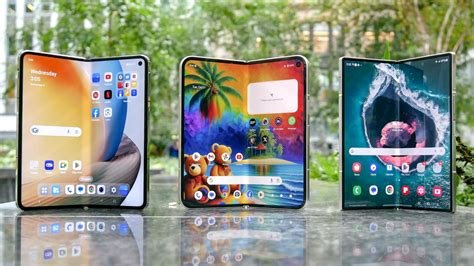
Pixel 10 Pro vs iPhone 17 Pro – this is the clash that tech enthusiasts and industry analysts have been anticipating for years. It represents more than just a comparison of two high-end devices; it is a symbolic battle for the soul of the smartphone. On one side stands Apple, the undisputed champion of premium integration, ecosystem lock-in, and brand prestige. On the other stands Google, the relentless software innovator and AI pioneer, whose Pixel series has inched closer to the throne with each generation. The question on everyone’s mind is stark and compelling: In this latest iteration, can Google finally beat Apple? This article delves deep into the rumored specifications, design philosophies, software ecosystems, and the intangible ‘X-factors’ to determine if the Pixel 10 Pro vs iPhone 17 Pro matchup will be a historic turning point or another valiant second place for Team Pixel.
The Historical Context: Google’s Ascent
To understand the significance of the Pixel 10 Pro vs iPhone 17 Pro battle, we must glance backward. Google’s Pixel journey began with promising but flawed hardware. Over time, the company leveraged its core strength—artificial intelligence—to create unique features like Call Screen, Magic Eraser, and Audio Magic Eraser. The Tensor chip, despite its modem and efficiency hiccups, was a declaration of independence, allowing Google to deeply integrate AI into the silicon. Apple, meanwhile, has operated from a position of strength, refining its A-series chips, iOS ecosystem, and build quality to near-perfection. The iPhone has been the benchmark. The Pixel 10 Pro vs iPhone 17 Pro contest is the culmination of Google’s decade-long effort to not just compete, but to redefine the benchmark.
Design and Build: A Tale of Two Philosophies
The aesthetic battle in the Pixel 10 Pro vs iPhone 17 Pro debate is a study in contrasts. Apple is expected to continue with its refined, surgical-grade stainless steel and ceramic shield design language, possibly introducing new titanium finishes or a thinner form factor. The Dynamic Island will likely evolve further. Google’s Pixel 10 Pro, rumored to be the first fully designed in-house post-HTC, may present a more dramatic shift. Expect a focus on ergonomics with a potentially more contoured back, a revised camera visor, and the use of advanced aluminum composites or new sustainable materials. Both will boast IP68 ratings, but the feel in hand—Apple’s cold, solid prestige versus Google’s warm, grippy innovation—will encapsulate their brand identities.
Anticipated Design Comparison
| Feature | Pixel 10 Pro (Rumored) | iPhone 17 Pro (Rumored) |
|---|---|---|
| Frame Material | Recycled Aluminum / New Composite | Brushed Titanium or Polished Stainless Steel |
| Front Display | Flat Actua Display, uniform bezels | Slightly curved “Border Reduction” display |
| Camera Bump | Redesigned, integrated visor | Redesigned, vertical stacked lenses |
| Notch/Island | Centered hole-punch camera | Evolved, smaller Dynamic Island |
| Colors | Bold, matte finishes | Pro-focused, sophisticated tones |
The Heart of the Matter: Tensor G5 vs Apple A19 Pro
This is the core technical battleground for the Pixel 10 Pro vs iPhone 17 Pro. Google’s Tensor G5 chip is the wildcard. After years of semi-custom Samsung designs, the G5 is rumored to be Google’s first fully custom design, potentially fabricated on TSMC’s cutting-edge N3E or N2 process node. This promises a monumental leap in performance, efficiency, and thermal management. The goal is not just to match Apple’s raw CPU/GPU power but to surpass it in AI-specific tasks. Apple’s A19 Pro will be a beast in its own right, continuing the tradition of industry-leading single-core performance and GPU prowess, likely built on TSMC’s second-generation 3nm technology. The question is whether Google’s all-in bet on a custom AI-optimized architecture can deliver a more transformative daily experience than Apple’s balanced performance lead.
Camera System: Computational Photography vs Optical Mastery
The camera duel in the Pixel 10 Pro vs iPhone 17 Pro is a classic clash of philosophies. Google has long championed computational photography, using software and AI to create stunning images from modest hardware. The Pixel 10 Pro is expected to feature new, larger sensors, possibly a 1-inch type main sensor, coupled with the next generation of Google’s computational algorithms. Imagine real-time, on-device HDR+ processing for video, or generative AI filling in frames for super-smooth slow motion. Apple traditionally focuses on superior optics, sensor quality, and a more color-accurate, true-to-life video experience. The iPhone 17 Pro may introduce a periscope telephoto with higher magnification, improved low-light video, and enhanced computational portrait modes. The winner here won’t be decided by specs alone, but by which output style users prefer: Google’s instantly shareable, AI-enhanced magic or Apple’s consistent, professional-grade realism.
| Camera Aspect | Pixel 10 Pro (Expected) | iPhone 17 Pro (Expected) |
|---|---|---|
| Main Sensor | 50MP, 1-inch type, variable aperture | 48MP, stacked sensor, larger pixels |
| Ultra-Wide | 48MP, autofocus for macro | 48MP, improved distortion control |
| Telephoto | Periscope, 5x+ optical zoom | Tetraprism, 5x-10x optical zoom |
| Front Camera | 4K HDR+ video with AI enhancements | 4K Cinematic Mode with improved bokeh |
| AI Features | Generative AI video editing, “Studio” mode | Advanced Photonic Engine, real-time depth mapping |
Software and AI: The Defining Frontier
If hardware is the body, software and AI are the soul. This is where the Pixel 10 Pro vs iPhone 17 Pro comparison gets most interesting. The Pixel 10 Pro will launch with Android 15 and a suite of exclusive AI features powered by the Tensor G5. We can anticipate a more proactive, ambient, and personalized Google Assistant that understands context across apps. Generative AI will be deeply embedded—rewriting messages, creating custom wallpapers, summarizing content, and perhaps even coding. Apple’s iOS 19 will counter with its own on-device and cloud AI, deeply integrated into apps like Photos, Messages, and Safari. Siri is due for a major LLM-powered overhaul. The battle is between Google’s open, web-centric, and aggressively innovative AI versus Apple’s privacy-focused, seamless, and ecosystem-wide AI implementation. The victor will offer the more useful and less intrusive intelligent companion.
Ecosystem and Longevity: The Invisible War
Beyond the device specs lies the ecosystem, a critical factor in the Pixel 10 Pro vs iPhone 17 Pro decision. Apple’s “walled garden” is its fortress. Seamless integration with Mac, iPad, Apple Watch, and AirPods creates a sticky, convenient user experience that is hard to leave. Google’s ecosystem (Pixel Watch, Pixel Buds, Nest, ChromeOS) has improved dramatically but lacks the same depth and polish. Longevity is another key point. Apple provides 6-7 years of iOS updates, ensuring the iPhone 17 Pro remains secure and relevant. Google has committed to 7 years of updates for the Pixel 8, a policy that must continue with the Pixel 10 Pro to be competitive. For users invested in either ecosystem, switching sides in the Pixel 10 Pro vs iPhone 17 Pro debate carries significant cost and friction.
Can Google Finally Beat Apple?
So, circling back to our central question in the Pixel 10 Pro vs iPhone 17 Pro face-off: Can Google finally beat Apple? The answer is nuanced. Google can absolutely beat Apple in specific, headline-grabbing areas: it may offer the more revolutionary AI features, a more daring design, and potentially a better value proposition. It could “win” on camera innovation for photography enthusiasts who love computational tricks. However, “beating” Apple in the broader market sense means surpassing it in overall user satisfaction, brand loyalty, perceived value, and holistic ecosystem experience. For the Pixel 10 Pro vs iPhone 17 Pro, this seems unlikely. Apple’s strengths are systemic and deeply entrenched. The more probable outcome is that the Pixel 10 Pro narrows the gap to its smallest ever, forcing Apple to innovate more aggressively and giving consumers a truly compelling, top-tier alternative. It will be a spectacular fight where the real winners are the users, who get to choose between two phenomenal devices pushing the boundaries of mobile technology. The Pixel 10 Pro vs iPhone 17 Pro won’t be a knockout, but it may be the fight where Google proves it belongs in the same ring.
Frequently Asked Questions (FAQs)
- When will the Pixel 10 Pro and iPhone 17 Pro be released?
The Pixel 10 Pro is expected in October 2025. The iPhone 17 Pro will likely follow in September 2025. - Will the Pixel 10 Pro have a better battery life than the iPhone 17 Pro?
With the rumored fully custom Tensor G5 on an efficient TSMC node, the Pixel 10 Pro has the potential to match or exceed iPhone battery life, a historic weakness for Pixels. Actual results will depend on final optimization. - Which phone will have a better camera for video?
Based on tradition, the iPhone 17 Pro is expected to retain the lead in video recording quality, especially for color accuracy, stabilization, and professional workflows. The Pixel 10 Pro may close the gap with new AI video features. - Will the Pixel 10 Pro be cheaper than the iPhone 17 Pro?
Google typically prices the Pro model slightly below Apple’s Pro model. We can expect the Pixel 10 Pro to be $100-$200 less expensive than the iPhone 17 Pro at launch. - Is the Tensor G5 chip really going to be a big improvement?
Yes, rumors suggest it’s Google’s first fully custom design, moving from Samsung to TSMC fabrication. This should bring major gains in performance, efficiency, and AI capability, making it the most significant chip upgrade in Pixel history. - Which phone is better for someone already in the Apple/Google ecosystem?
Staying within your current ecosystem is generally advised due to seamless integration between devices. Switching has benefits but also involves relearning and repurchasing accessories.