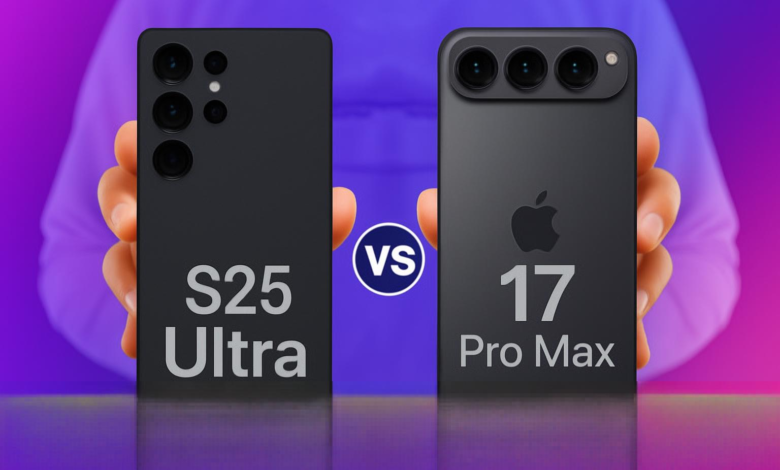
For the modern mobile enthusiast, finding the best phones for streaming and gaming is about more than just a fast processor. It’s a quest for the perfect fusion of a stunning, fluid display, immersive audio, relentless performance, and a battery that won’t quit mid-raid. In the competitive US market, flagship devices from Apple, Samsung, and dedicated gaming brands are pushing the boundaries of what a smartphone can deliver for entertainment. This comprehensive guide dives deep into the top contenders, breaking down the essential features and helping you choose the ultimate pocket-sized powerhouse for your streaming binges and gaming sessions.
The Pillars of a Perfect Streaming and Gaming Phone
Before we examine specific models, it’s crucial to understand the key components that separate a good phone from a great one for media consumption and gaming. These pillars form the foundation of our evaluation for the best phones for streaming and gaming.
Display: Your Window to the Action
The display is arguably the most critical feature. You need high resolution (at least FHD+, with QHD+ being ideal), a fast refresh rate (90Hz minimum, with 120Hz or 144Hz being the sweet spot for buttery-smooth scrolling and gameplay), and peak brightness for HDR content. OLED or AMOLED panels are preferred for their perfect blacks, vibrant colors, and high contrast ratios, which make movies and games pop.
Performance: The Engine Room
Raw power is non-negotiable. This means the latest flagship chipsets—like the Apple A17 Pro, Qualcomm Snapdragon 8 Gen 3, or MediaTek Dimensity 9300—coupled with ample RAM (12GB or more is ideal for heavy gaming and multitasking). This ensures games load quickly, run at maximum graphical settings, and stream without frame drops.
Audio: Immersive Soundscapes
Stereo speakers tuned by reputable audio brands are a must for shared viewing and gaming without headphones. For private listening, a powerful, clean headphone jack is a rare but cherished feature, though high-quality Bluetooth codec support (like aptX Adaptive or LDAC) is the standard for wireless audio fidelity.
Battery and Thermal Management
Streaming and gaming are battery-intensive. A large-capacity battery (5,000mAh is a great target) is essential, supported by fast wired and wireless charging. Equally important is advanced cooling—vapor chambers or larger heat sinks—to prevent performance throttling during extended play.
Software and Ecosystem
A clean, unobtrusive software experience that stays out of the way is key. Gaming-centric features like customizable performance modes, notification blockers, and touch sensitivity enhancements add significant value. Furthermore, seamless integration with streaming services and cloud gaming platforms (like Xbox Cloud Gaming or NVIDIA GeForce Now) enhances the overall ecosystem.
Top Contenders for the Best Phones for Streaming and Gaming
Based on the pillars above, here are the standout performers in the US market, each with its own strengths.
1. The All-Round Elite: iPhone 15 Pro Max
Apple’s flagship is a media consumption beast. The 6.7-inch Super Retina XDR display with ProMotion (up to 120Hz) is stunningly bright and color-accurate, perfect for streaming HDR content from Apple TV+, Disney+, and Netflix. The new A17 Pro chip is an absolute performance monster, handling the most demanding games with ease and enabling console-quality titles like Resident Evil Village. Its seamless ecosystem integration is unmatched.
| Pros | Cons |
|---|---|
| Industry-leading A17 Pro performance | Very high starting price |
| Excellent, bright 120Hz OLED display | Limited to USB 2.0 speeds for data |
| Best-in-class video playback and HDR | No native high-refresh-rate support in many games |
| Premium build and ecosystem | Can get warm under sustained load |
2. The Android Powerhouse: Samsung Galaxy S24 Ultra
Samsung’s top-tier offering is a productivity and entertainment juggernaut. Its 6.8-inch Dynamic AMOLED 2X display is flat (a boon for gaming), incredibly bright, and offers a silky 120Hz refresh rate. Powered by the Snapdragon 8 Gen 3 for Galaxy, it delivers elite performance. The S Pen, while not for gaming, is a unique tool for precise control in streaming apps. Its software support promise is the best in Android.
| Pros | Cons |
|---|---|
| Gorgeous, bright, flat 120Hz display | Bulky and heavy design |
| Powerful Snapdragon 8 Gen 3 chipset | Expensive |
| Longest software support in Android | Bloatware can be an issue |
| Excellent built-in speakers | Game optimization can be overly aggressive |
3. The Dedicated Gaming Champion: ASUS ROG Phone 8 Pro
Designed from the ground up for gaming, the ROG Phone 8 Pro is in a league of its own. It features a super-fast 165Hz AMOLED LTPO display, the overclocked Snapdragon 8 Gen 3, and a massive vapor chamber cooling system. Unique hardware features like ultrasonic AirTrigger buttons (for shoulder triggers), a side-mounted USB-C port for charging while gaming, and a massive 5,500mAh battery make it the definitive choice for serious mobile gamers who want the best phones for streaming and gaming with no compromises.
| Pros | Cons |
|---|---|
| 165Hz AMOLED display for ultra-smooth gameplay | Gamer-centric design may not appeal to all |
| Unmatched cooling and sustained performance | Camera system is good, not class-leading |
| Game-changing AirTrigger ultrasonic buttons | Software can feel niche |
| Huge 5,500mAh battery | Premium price for the Pro model |
4. The Value King: Google Pixel 8 Pro
The Pixel 8 Pro wins with its sublime software experience and exceptional value proposition. Its 6.7-inch Super Actua display is the brightest on any Pixel, perfect for outdoor viewing. The Tensor G3 chip, while not the absolute raw performance leader, is highly optimized for AI tasks and delivers a very smooth, clean Android experience with no bloatware. Its exceptional cameras are a bonus for content creators. For those who prioritize a pristine streaming experience and good gaming performance without the highest price tag, it’s a top contender among the best phones for streaming and gaming.
| Pros | Cons |
|---|---|
| Clean, bloat-free Android with 7 years of updates | Tensor G3 can throttle under very heavy loads |
| Very bright and smooth 120Hz LTPO display | Modest charging speeds compared to rivals |
| Outstanding camera system | Not the absolute peak gaming performance |
| Strong value relative to other flagships | Speaker quality is good, not exceptional |
Comparison Table: Best Phones for Streaming and Gaming at a Glance
| Model | Key Display Feature | Chipset | Battery | Unique Gaming/Streaming Edge |
|---|---|---|---|---|
| iPhone 15 Pro Max | 6.7″ Super Retina XDR (120Hz) | Apple A17 Pro | 4,441 mAh | Ecosystem, console port games, best video playback |
| Samsung Galaxy S24 Ultra | 6.8″ Dynamic AMOLED 2X (120Hz, flat) | Snapdragon 8 Gen 3 for Galaxy | 5,000 mAh | S Pen, brightest Android display, DeX for desktop streaming |
| ASUS ROG Phone 8 Pro | 6.78″ AMOLED (165Hz LTPO) | Snapdragon 8 Gen 3 | 5,500 mAh | AirTrigger buttons, advanced cooling, side-charging port |
| Google Pixel 8 Pro | 6.7″ Super Actua (120Hz LTPO) | Google Tensor G3 | 5,050 mAh | Clean Android, AI-enhanced media, excellent value |
Making Your Choice: Which is Right for You?
Selecting the ultimate device from the list of best phones for streaming and gaming depends on your priorities.
- Choose the iPhone 15 Pro Max if: You are deeply invested in the Apple ecosystem, prioritize the absolute best video streaming quality and app optimization, and want access to exclusive, high-fidelity game ports.
- Choose the Samsung Galaxy S24 Ultra if: You want the most versatile Android flagship with a brilliant flat display, top-tier performance, and the unique S Pen for precise control, alongside the longest update promise.
- Choose the ASUS ROG Phone 8 Pro if: Mobile gaming is your primary focus. You demand the highest refresh rates, hardware gaming triggers, and a design built to sustain performance without thermal throttling.
- Choose the Google Pixel 8 Pro if: You want a balanced, elegant Android experience free of bloatware, with a great display, very good performance, and exceptional cameras, all at a relatively more accessible price point.
Ultimately, the US market offers a fantastic array of choices for the discerning user. Whether you’re a casual streamer, a competitive mobile gamer, or someone who demands the best all-around entertainment device, there has never been a better time to find a phone that transforms your pocket into a portable theater and gaming console.
Frequently Asked Questions (FAQs)
- Is a high refresh rate (120Hz) really important for streaming? For streaming video, most content is at 24-60fps, so a 120Hz display’s primary benefit is smoother UI navigation. However, for gaming, a 120Hz or higher display provides a significantly more responsive and fluid visual experience if the game supports it.
- How much RAM do I need for gaming and streaming? For heavy gaming and multitasking (like having a game open while streaming music or receiving notifications), 12GB of RAM is the recommended sweet spot in 2024. 8GB can suffice but may lead to more app reloading.
- Are gaming phones worth it for non-gamers? Gaming phones like the ASUS ROG Phone offer exceptional performance, cooling, and large batteries, which benefit any power user. However, their often aggressive designs and sometimes compromised cameras may not appeal to those seeking a more mainstream flagship aesthetic.
- Which is better for cloud gaming: iPhone or Android? Both platforms support major cloud services well. Android often offers more flexibility with app stores and controller support. iPhones provide a more consistent, high-performance experience within Apple’s walled garden. The choice often comes down to personal ecosystem preference.
- Does 5G make a difference for mobile streaming and gaming? For streaming, 5G can provide faster loading times for high-bitrate 4K/HDR content and reduce buffering. For online gaming, a stable, low-latency 5G connection can improve responsiveness, though a strong Wi-Fi connection is often more reliable for competitive play.