Choosing the best phone for US customers is a decision that often comes down to two of the most compelling Android powerhouses: Samsung and Google Pixel. While the market is filled with options, these two brands represent distinct philosophies in smartphone design, software, and ecosystem integration. For American consumers, the choice isn’t just about specs; it’s about which device seamlessly integrates into their digital life, offers reliable performance on US networks, and provides long-term value. This comprehensive guide will dissect every aspect of the Samsung versus Google Pixel rivalry, from camera performance and software experience to carrier deals and update policies, to help you determine which is truly the best phone for your needs.
The Core Philosophies: Samsung’s Powerhouse vs. Google’s Purist
Understanding the fundamental difference between these brands is crucial. Samsung, with its Galaxy S and Z series, is a hardware-first titan. It pushes the boundaries of display technology, raw processing power, and feature-packed software (One UI). Samsung aims to be a one-stop shop, offering an entire ecosystem of wearables, tablets, laptops, and smart home devices. The Google Pixel, in contrast, is a software and AI-first device. It serves as the purest expression of Android and a showcase for Google’s advancements in artificial intelligence, computational photography, and seamless integration with Google services. It’s a more curated, opinionated approach to the smartphone experience.
Head-to-Head Comparison: Key Categories
Hardware and Design
Samsung consistently leads in hardware innovation, particularly with displays. Its Dynamic AMOLED 2X screens are often considered the best in the industry, offering incredible brightness, color accuracy, and smooth refresh rates. Build quality is premium, with materials like Armor Aluminum and Corning Gorilla Glass Victus. The design language is sleek and modern. Google Pixel hardware has historically been more functional than flashy, but recent iterations like the Pixel 8 Pro have closed the gap significantly with premium builds, excellent displays (Actua OLED), and a distinct, recognizable design. Samsung also offers more variety, including the innovative foldable Z Fold and Z Flip lines, which Pixel does not.
Camera Performance: Computational Photography Showdown
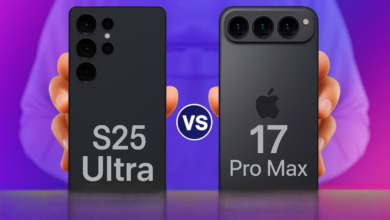
This is a marquee battle. Samsung cameras are versatile, hardware-rich systems with high-megapixel sensors, periscope telephoto lenses for incredible zoom (up to 100x space zoom on S24 Ultra), and robust pro-mode controls. The images are typically vibrant, contrasty, and social-media ready. Google Pixel cameras, often with technically simpler hardware, rely overwhelmingly on Google’s industry-leading computational photography and AI. Features like Magic Eraser, Best Take, and Night Sight are unparalleled. The Pixel photo style is more natural and true-to-life compared to Samsung’s sometimes saturated look. For point-and-shoot consistency and magical AI editing, Pixel often wins. For zoom capability and hardware flexibility, Samsung has the edge.
| Feature | Samsung Galaxy S24 Ultra | Google Pixel 8 Pro |
|---|---|---|
| Main Sensor | 200 MP Wide | 50 MP Wide |
| Telephoto | 50 MP (5x), 10 MP (3x) | 48 MP (5x) |
| Ultra-Wide | 12 MP | 48 MP |
| Signature Features | 100x Space Zoom, Pro Mode, 8K Video | Magic Editor, Best Take, Night Sight, Video Boost |
| Video | Superior 8K recording, robust pro controls | Excellent stabilization, Video Boost (cloud processing) |
Software and AI Experience
The software divide is stark. Samsung’s One UI is a feature-rich layer on top of Android. It offers immense customization (Good Lock), deep system-level tools (multi-window, Dex desktop mode), and often includes useful additions like a secure folder and extensive gesture controls. The downside can be occasional bloatware and duplicate apps (Samsung + Google versions). Google Pixel runs a clean, bloat-free version of Android with Pixel-exclusive features. It gets Android updates first and for the longest guaranteed period (7 years for Pixel 8 series). Google’s AI, Gemini, is deeply integrated, powering call screening (Hold for Me, Call Screen), live transcription, and clever photo tools. The experience is streamlined and intelligent.
Ecosystem and Integration
If you live deeply within an ecosystem, this is decisive. Samsung’s Galaxy ecosystem is robust: Galaxy Watch, Galaxy Buds, Galaxy Tab, and SmartThings for the home all work together seamlessly with features like quick pairing and cross-device control. Google’s ecosystem is broader and more service-based. Pixel works flawlessly with Google Assistant, Nest devices, Chromecast, and Wear OS (which powers Samsung watches too). The integration with Google Photos, Drive, and Gmail is unsurprisingly seamless. For users invested in Google services, the Pixel is a natural hub.
Battery Life and Charging
Both brands offer all-day battery life on their flagship models, but real-world performance varies. Samsung phones often have larger batteries, but the power-hungry displays and numerous background features can offset that. Pixel phones, with their efficient Tensor chips and lighter software, often deliver consistent, dependable battery life, though sometimes with smaller capacity cells. Neither brand includes a charger in the box in the US. Samsung supports faster wired charging (up to 45W) compared to Pixel’s more conservative (up to 30W) approach. Both have robust wireless and reverse wireless charging.
Critical Factors for US Customers
Carrier Compatibility and Deals
This is a major practical consideration for finding the best phone for US customers. Both Samsung and Pixel are widely available across all major US carriers (Verizon, AT&T, T-Mobile) and MVNOs. However, Samsung often has deeper partnerships, resulting in more aggressive trade-in offers, bundle deals (especially with Galaxy Watches or Buds), and exclusive carrier models. Google Pixel also features strong carrier promotions, particularly around launch periods, and is the only way to get Google’s exclusive “Fi” deals on Google Fi Wireless. For the outright buyer, both are readily available unlocked from their respective websites and retailers like Best Buy.
Software Updates and Long-Term Support
Google Pixel is the undisputed champion here. The Pixel 8 series promises 7 years of OS updates, security patches, and Feature Drops. This is a game-changer for longevity. Samsung has significantly improved, now offering 7 years of updates for its S24 series and newer, matching Google’s pledge. For older models, the support window was shorter. While Samsung’s update rollout is fast, it still trails Pixel by weeks or months for major Android versions. If long-term software support is your top priority, both are now excellent, with Pixel retaining a slight edge in speed and consistency.
Price and Value Proposition
Samsung flagships, especially the Ultra models, command premium prices, often starting near or above $1,200. However, Samsung’s prices tend to drop more rapidly after launch, and carrier deals can make them very affordable. Google Pixel flagships are typically priced $200-$300 lower at launch, positioning them as a premium-but-value alternative. The Pixel “a” series (e.g., Pixel 7a, 8a) offers a flagship-like experience for under $500, a segment where Samsung’s mid-range A-series often can’t compete on camera and software polish. For pure value, Pixel often wins; for peak hardware on deals, Samsung is compelling.
Which is the Best Phone for US Customers? The Verdict
Determining the best phone for US customers between Samsung and Google Pixel isn’t about declaring an absolute winner, but about matching the device to the user’s profile.
Choose the Samsung Galaxy S24 Series if: You prioritize the absolute best hardware (display, zoom, S Pen on Ultra), enjoy deep customization and a feature-packed software experience, are invested in or plan to invest in the Samsung ecosystem (watch, tablet, buds), and want to take advantage of frequent and substantial US carrier promotions.
Choose the Google Pixel 8 Series if: You want the purest, most intelligent Android experience with the longest and fastest software support, value computational photography magic and point-and-shoot consistency above all, live deeply within Google’s suite of services (Photos, Assistant, etc.), and seek a premium experience at a slightly more accessible price point, especially with the “a” series.
For the average US customer who wants a reliable, intelligent, and long-lasting device with a phenomenal camera and seamless Google integration, the Google Pixel is often the most compelling and straightforward choice. For the power user who demands top-tier hardware, maximum flexibility, and the most feature-rich Android skin, Samsung’s Galaxy series remains the gold standard. Ultimately, both are exceptional choices, and the American market is richer for their competition.
Frequently Asked Questions
- Which phone has a better camera for everyday use? For most people’s everyday point-and-shoot needs, the Google Pixel consistently produces excellent results with minimal effort. Samsung’s cameras are also fantastic but can require more manual tweaking to achieve a natural look.
- Do both phones work well on all US networks? Yes. Both Samsung and Google Pixel phones sold in the US are optimized for compatibility with all major carriers (Verizon, AT&T, T-Mobile) and their 5G networks. Always check specific model numbers for mmWave 5G support if needed.
- Which brand offers better trade-in values? It fluctuates. Samsung often has very high promotional trade-in values around new launches, especially for older Samsung devices. Google also offers strong trade-ins directly through its store. It’s best to compare both at the time of purchase.
- Is the Samsung or Pixel software experience cleaner? Google Pixel offers a cleaner, bloat-free experience closer to stock Android. Samsung’s One UI has more pre-installed features and sometimes carrier apps, but it also offers far more customization options.
- Which phone will receive updates for longer? For their latest flagships (S24 series and Pixel 8 series), both promise an industry-leading 7 years of OS and security updates. For older models, Google Pixel generally has a longer and more consistent track record.