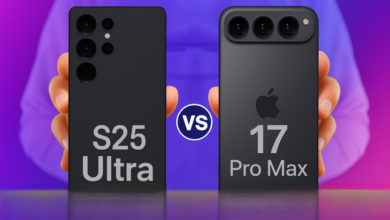
iPhone 17 Pro Max stands as the latest and most formidable expression of Apple’s smartphone ambition, a device engineered to dominate the conversation. But in a global market teeming with innovation from Samsung, Google, and a host of Chinese manufacturers, does it represent the ultimate value proposition, or is it a premium statement that’s outpaced by more versatile rivals? This comprehensive analysis pits the iPhone 17 Pro Max against the world’s best, dissecting performance, camera capabilities, ecosystem, and, crucially, price to answer the perennial question: what is the best deal for your next flagship phone?
The Contenders: A Global Arena of Giants
Before diving into specifics, it’s essential to map the battlefield. The iPhone 17 Pro Max does not compete in a vacuum. Its primary adversaries are the Samsung Galaxy S25 Ultra, representing the pinnacle of Android customization and hardware flexibility; the Google Pixel 9 Pro XL, the master of computational photography and pure software integration; and the Huawei Mate 70 Pro+ (where available), a camera and connectivity powerhouse. Additionally, brands like Xiaomi (with its 15 Ultra) and OnePlus (13 Pro) offer compelling specs at often lower price points, challenging the very notion of flagship pricing.
Performance and Silicon: The Heart of the Matter
The iPhone 17 Pro Max is powered by Apple’s new A19 Pro chip, built on an even more advanced 3nm process. Early benchmarks suggest a staggering 20% CPU and 30% GPU improvement over its predecessor, alongside a more powerful and efficient Neural Engine for AI/ML tasks. This raw performance, coupled with iOS’s optimized ecosystem, ensures buttery-smooth operation for years.
Android competitors, however, are not standing still. The Samsung S25 Ultra likely features the Snapdragon 8 Gen 4 or an Exynos variant, while the Pixel 9 Pro XL runs on Google’s custom Tensor G4. While these chips may not always match the A19 Pro in peak raw performance, they have closed the gap significantly, especially in real-world, multi-tasking scenarios. The Android advantage often lies in thermal management and sustained performance during intensive gaming sessions, where larger vapor chambers can sometimes outpace Apple’s thermal design.
| Device | Chipset | Notable Performance Feature | AI Focus |
|---|---|---|---|
| iPhone 17 Pro Max | Apple A19 Pro | Industry-leading single-core CPU performance | On-device generative AI for photos, Siri |
| Samsung Galaxy S25 Ultra | Snapdragon 8 Gen 4 / Exynos 2500 | Excellent sustained GPU performance for gaming | Galaxy AI suite for translation, note-taking, imaging |
| Google Pixel 9 Pro XL | Google Tensor G4 | Best-in-class AI/ML acceleration for camera tasks | Deep Google AI integration (Assistant, Call Screen, Magic Editor) |
Camera Showdown: Computational Photography Wars
The camera is the modern smartphone’s battleground, and the iPhone 17 Pro Max brings a significant upgrade: a new tetraprism 5x telephoto lens with improved sensor-shift stabilization, a larger main sensor with a variable aperture (f/1.6-f/2.8), and enhanced computational photography powered by the A19 Pro’s Neural Engine. The result is stunning detail, exceptional dynamic range in ProRAW, and the most cohesive video recording system on any phone.
Yet, the competition is fierce. The Samsung S25 Ultra’s rumored 200MP main sensor and dual telephoto lenses (3x and 10x) offer unparalleled zoom flexibility. The Google Pixel 9 Pro XL’s software magic continues to produce arguably the most pleasing point-and-shoot photos, with features like Magic Eraser and Best Take setting a high bar for AI editing. The iPhone 17 Pro Max excels in consistency and video, but for sheer zoom or AI-powered creativity, alternatives have strong, compelling cases.
Display and Design: Beauty is in the Eye of the Beholder
Apple’s Super Retina XDR display with ProMotion (1-120Hz) remains a benchmark. The iPhone 17 Pro Max is expected to push peak HDR brightness even higher and may introduce some form of under-display Face ID, reducing the Dynamic Island’s footprint. The build quality, with its titanium frame and ceramic shield glass, is impeccable.
Samsung’s Dynamic AMOLED 2X panels are equally stunning, often brighter in high ambient light, and the S25 Ultra’s boxier design with integrated S-Pen appeals to note-takers and artists. The minimalist, clean design of the Pixel is a fan favorite. When it comes to sheer screen real estate and customization (always-on display, refresh rate controls), Android flagships often offer more user control, whereas the iPhone 17 Pro Max offers a more curated, consistent experience.
Ecosystem and Software: The Lock-In Factor
This is perhaps Apple’s most formidable moat. The iPhone 17 Pro Max is the ultimate gateway into the seamless, interconnected world of Apple: Handoff with Mac, universal clipboard, AirDrop to other Apple devices, Apple Watch unlocking, and the cohesive nature of iCloud. iOS 18 promises deeper AI integration and customization, but it remains a walled garden.
Android’s ecosystem is more open and fragmented. Samsung, Google, and others have their own overlapping ecosystems (Samsung Dex, Google’s Fast Pair), but they lack Apple’s vertical integration. The trade-off is freedom: side-loading apps, default app choices, and broader hardware compatibility. The “best deal” here depends entirely on whether you value seamless integration or flexible openness.
iPhone 17 Pro Max: The Verdict on Value
So, where does this leave the iPhone 17 Pro Max? It is undoubtedly the most powerful, cohesive device Apple has ever made. Its performance is elite, its camera system is incredibly versatile and consistent, its build quality is top-tier, and its place in the Apple ecosystem is unassailable. If you are already invested in Apple’s world, or if you prioritize long-term software support (6-7 years of iOS updates), resale value, and a polished, no-fuss experience, the iPhone 17 Pro Max is a justifiable, if expensive, investment.
However, “the best deal” is a multifaceted question. If your priority is camera innovation, particularly zoom or AI-powered editing, the Samsung S25 Ultra or Google Pixel 9 Pro XL might offer more for less money. If you want the absolute highest specs (like faster charging, more RAM) for a lower price, Chinese flagships from Xiaomi or OnePlus are compelling. If you desire software freedom and hardware experimentation, the Android sphere is your playground.
Conclusion: The Best Deal is Personal
The iPhone 17 Pro Max is not the best deal for everyone. It is a premium product with a premium price, targeting users who want the assurance of top-tier performance within a specific, luxurious ecosystem. It wins on integration, long-term support, and a balanced, professional camera system. The “world,” however, offers spectacular alternatives that excel in specific areas—be it zoom, AI software, charging speed, or pure price-to-performance ratio.
Ultimately, the best deal is the flagship that aligns perfectly with your personal ecosystem, usage patterns, and budget. For the Apple faithful and those who want a hassle-free, powerful companion, the iPhone 17 Pro Max is the deal. For the tinkerer, the zoom photographer, or the value-seeker, the global market has never offered more compelling alternatives. The true winner is the consumer, spoilt for choice in an era of phenomenal technological achievement.
Frequently Asked Questions
- Is the iPhone 17 Pro Max expected to be much more expensive than the iPhone 16 Pro Max?
While Apple’s pricing is always subject to change, industry trends and component costs suggest a modest price increase, potentially placing it at a new premium tier. - Which phone has the best battery life?
Historically, the iPhone Pro Max and Samsung Ultra models lead in battery endurance. The iPhone 17 Pro Max’s efficiency with the A19 Pro chip is a strong contender, but real-world tests upon release are essential. - Can Android phones match the iPhone’s video recording quality?
The iPhone remains the gold standard for video, especially in dynamic range and stabilization. High-end Android phones have closed the gap significantly, but for professional videographers, the iPhone often still holds an edge. - How important is the ecosystem when choosing?
Extremely important. If you own a Mac, iPad, or Apple Watch, the iPhone’s value multiplies due to seamless integration. If you use Windows or prefer a mix of brands, an Android flagship may offer more flexibility. - Do any competitors offer longer software support than Apple?
Samsung now promises 7 years of OS and security updates for its flagship S-series, matching Apple’s commitment. Google offers 7 years for its Pixel line. This has become a competitive standard.