Modern interior design in USA is not a static concept but a dynamic, evolving dialogue between form, function, and cultural context. It represents a distinct break from the ornate traditions of the past, embracing instead a philosophy rooted in simplicity, clean lines, and a profound connection to the present moment. While its origins are deeply intertwined with early 20th-century European movements like Bauhaus and Scandinavian design, American modernism has carved its own unique path, absorbing regional influences, technological advancements, and a diverse cultural ethos to create a style that is both universally recognizable and distinctly local. This exploration delves into the core principles, prevailing trends, material innovations, and regional interpretations that define contemporary modern interior design in USA today.
The Foundational Pillars of American Modernism
At its heart, modern interior design in USA is governed by a set of unwavering principles. These are not mere aesthetic choices but philosophical stances that guide every decision, from spatial planning to furniture selection.
Form Follows Function: This mantra, popularized by architect Louis Sullivan, is the cornerstone. Every element in a modern space must serve a purpose. Ornamentation for its own sake is eliminated; beauty is derived from the purity of purpose and the elegance of the design solution. Storage becomes sleek and integrated, furniture is selected for comfort and utility, and layouts are optimized for flow and daily life.
Clean Lines and Geometric Forms: Curlicues and complex carvings are replaced by straight lines, gentle curves, and clear geometric shapes. Think of the iconic Eames lounge chair, the rectangular simplicity of a built-in bookshelf, or the perfect sphere of a pendant light. This creates a sense of order, calm, and visual clarity.
Open Floor Plans and Spatial Fluidity: Modern American homes famously tear down walls. The goal is to create interconnected living spaces—kitchen, dining, and living areas that flow into one another—fostering social interaction, maximizing natural light penetration, and creating a feeling of expansive, uncluttered freedom.
Emphasis on Natural Light and Connection: Large, uninterrupted windows, sliding glass doors, and skylights are hallmarks. The boundary between inside and outside is deliberately blurred. This not only illuminates the space but also integrates the surrounding environment, whether it’s an urban skyline or a backyard garden, into the daily experience.
Honest Materiality: Materials are celebrated in their natural state. The grain of wood, the cool strength of steel, the raw texture of concrete, and the supple feel of genuine leather are left exposed. This honesty creates a tactile, authentic environment that ages with character.
The Contemporary Landscape: Key Trends in Modern Interior Design in USA
While respecting its foundational pillars, modern design is constantly reinventing itself. Today’s modern interior design in USA is characterized by several key trends that reflect current lifestyles and values.
Warm Minimalism and Organic Modernism
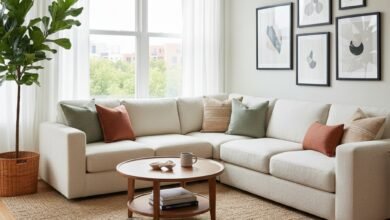
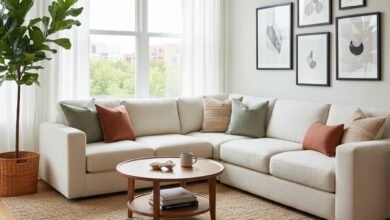
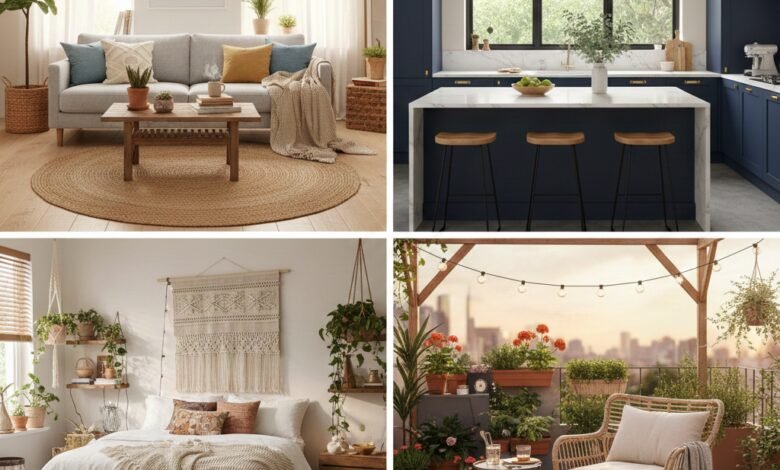
The stark, sometimes cold minimalism of the late 20th century has given way to a warmer, more inviting approach. Spaces are still clutter-free and edited, but they are infused with texture, soft curves, and organic elements. Think plush, oversized sofas in neutral tones, woven rattan accents, slatted wood screens, and stone vessels. This trend, often called “Organic Modern” or “Warm Minimalism,” prioritizes comfort and soul without sacrificing the clean aesthetic.
Biophilic Design Integration
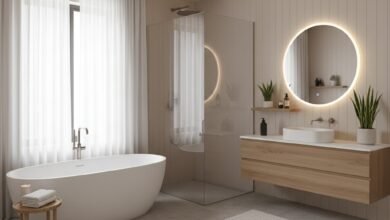
This is more than just adding a houseplant. Biophilic design is a systematic approach to integrating nature into the built environment to improve well-being. In modern American interiors, this manifests as large indoor trees, living green walls, abundant natural light, materials like cork and terracotta, and color palettes drawn from the earth and sky. Water features and nature-inspired artwork further deepen this connection.
Smart Home Technology and Invisible Integration
Technology is seamlessly woven into the fabric of the modern home. From voice-controlled lighting and climate systems to discreetly integrated audio-visual equipment and motorized window treatments, the focus is on convenience and unobtrusiveness. The technology enhances the experience without disrupting the clean lines—wires are hidden, and interfaces are minimalist.
Sustainable and Ethical Choices
Sustainability is a major driver. Designers and homeowners increasingly seek out reclaimed wood, recycled metals, low-VOC paints, and rapidly renewable materials like bamboo. There is a growing emphasis on supporting local artisans and manufacturers, investing in high-quality, timeless pieces (the “buy less, buy better” philosophy), and designing for energy efficiency.
Material Palette and Furniture: The Modern Toolkit
The materials used in modern interior design in USA tell a story of contrast and harmony.
| Material | Common Application | Character & Effect |
|---|---|---|
| Wood (Oak, Walnut, Teak) | Flooring, cabinetry, statement furniture, ceiling beams. | Adds warmth, texture, and organic contrast to cooler materials. |
| Steel & Iron | Structural elements, window frames, furniture legs, stair railings. | Provides industrial strength, sleek lines, and a graphic quality. |
| Concrete | Polished floors, kitchen countertops, fireplace surrounds, accent walls. | Offers a raw, monolithic, and sculptural feel; excellent thermal mass. |
| Glass | Large windows, interior partitions, tabletops, lighting. | Maximizes light, creates visual transparency, and enhances spatial flow. |
| Stone (Marble, Granite, Slate) | Kitchen islands, bathroom vanities, fireplace hearths. | Introduces natural veining, luxury, and a timeless, solid presence. |
| Textiles (Linen, Wool, Cotton) | Upholstery, drapery, area rugs, throw pillows. | Softens the space, adds layers of comfort, color, and tactile interest. |
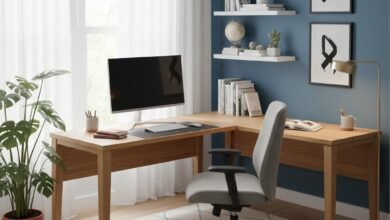
Furniture in a modern American interior is often a mix of iconic mid-century pieces (by designers like Charles & Ray Eames, George Nelson, or Florence Knoll) and contemporary designs. The focus is on sculptural silhouettes, comfort, and functionality. Modular sofas, statement lighting fixtures, and multi-functional pieces like storage ottomans are particularly popular.
Regional Nuances Across the USA
While unified by core principles, modern interior design in USA adapts to its environment. The modern home in the sun-drenched canyons of Los Angeles differs from one in a converted New York City loft or a lakeside retreat in Minnesota.
West Coast Modern (California & Pacific Northwest): Heavily influenced by indoor-outdoor living. Features expansive glass walls, natural materials like redwood and stone, neutral palettes that reflect the coastal or desert landscape, and a strong integration of drought-tolerant landscaping. The style is airy, relaxed, and connected to nature.
Northeast Urban Modern: Often found in loft conversions and new high-rises. Utilizes industrial materials like exposed brick, ductwork, and concrete. Spaces may be more compact, demanding clever, multi-functional furniture. The palette can be moodier, with deeper tones, and art plays a significant role.
Rustic Modern (Mountain & Rural Areas): Blends clean modern lines with rustic elements. A sleek steel-framed window might look out onto a mountain range, while the interior features a reclaimed wood feature wall and a stone fireplace. The feel is warm, grounded, and ruggedly sophisticated.
Southern Modern: Adapts modern simplicity to a warmer, more humid climate and traditional social customs. High ceilings for airflow, large porches as extended living spaces, lighter color palettes, and a mix of modern furniture with perhaps a single antique heirloom piece are characteristic.
Creating Your Own Modern Sanctuary
Embracing modern interior design in USA in your own space starts with a mindset. Begin by decluttering and assessing the function of each room. Invest in a few high-quality, foundational pieces of furniture with clean lines. Prioritize lighting—layer ambient, task, and accent lighting, and maximize natural light. Introduce texture through rugs, throws, and natural materials rather than pattern. Finally, don’t be afraid to add personal touches through art, books, or a single statement piece; modern design is not about being sterile, but about creating a curated, intentional, and harmonious environment for contemporary life.
Frequently Asked Questions
- What is the difference between modern and contemporary interior design?
“Modern” design specifically refers to the style that originated in the early-to-mid 20th century, with defined principles (like those of Mid-Century Modern). “Contemporary” means “of the moment” and is ever-changing, reflecting the trends of today. However, in common usage, the terms are often used interchangeably to describe clean, current styles. - Can modern interiors be cozy and warm?
Absolutely. The trend of Warm Minimalism or Organic Modernism explicitly addresses this. Using textured fabrics, wood tones, layered lighting, soft rugs, and organic shapes can make a modern space incredibly inviting and cozy. - Is modern design expensive to achieve?
It can be, especially if using high-end materials and designer furniture. However, the philosophy can be applied at any budget. Focus on decluttering, painting walls in neutral colors, choosing simple, well-made furniture from a variety of price points, and using strategic lighting and a few natural accessories to achieve the look. - How do I add color to a modern interior without ruining the aesthetic?
Modern design often uses a neutral base. Color is best introduced strategically as an accent. Consider a single bold-colored accent wall, a vibrant piece of abstract art, a colorful sofa, or accessories like pillows and vases. The key is restraint and intentionality. - What is the most important element in a modern living room?
While subjective, the seating arrangement and lighting are crucial. Choose a comfortable, well-proportioned sofa with clean lines as the anchor. Then, ensure layered lighting: overhead (often recessed), floor lamps for task/ambiance, and perhaps a sculptural pendant as a focal point. This creates a functional and atmospheric core for the space.